
When seeking a stain remover for permanent marker in West Palm Beach, you're likely facing a fresh wall scribble, marked-up fabric, or a rental turnover problem that demands a swift resolution. In Palm Beach County homes, humidity, salt air, and delicate painted finishes can turn a simple DIY cleanup into a bigger repair issue if you use the wrong product.
This guide is for homeowners, renters, Airbnb hosts, and property managers who want a clean result without damaging walls, upholstery, wood, or tile. Around South Florida, that matters because many homes stay closed up under AC, coastal finishes can be touchy, and quick turnover jobs don't leave much room for trial and error.
Table of Contents
- That Sinking Feeling a Guide to Removing Permanent Marker
- Before You Begin The Cardinal Rules of Stain Removal
- Your DIY Stain Remover Toolkit for Permanent Marker
- A Cleaners Field Notes from Palm Beach County
- When the Stain Wins Calling Sunset Shine Home Cleaning
- Your Permanent Marker Removal Questions Answered
That Sinking Feeling a Guide to Removing Permanent Marker
You see the mark and already know regular spray cleaner won't touch it. Maybe it was a child with a Sharpie near a hallway wall in Wellington, maybe it was an Airbnb guest who labeled something they shouldn't in Delray, or maybe it transferred onto a shirt during a rushed morning.
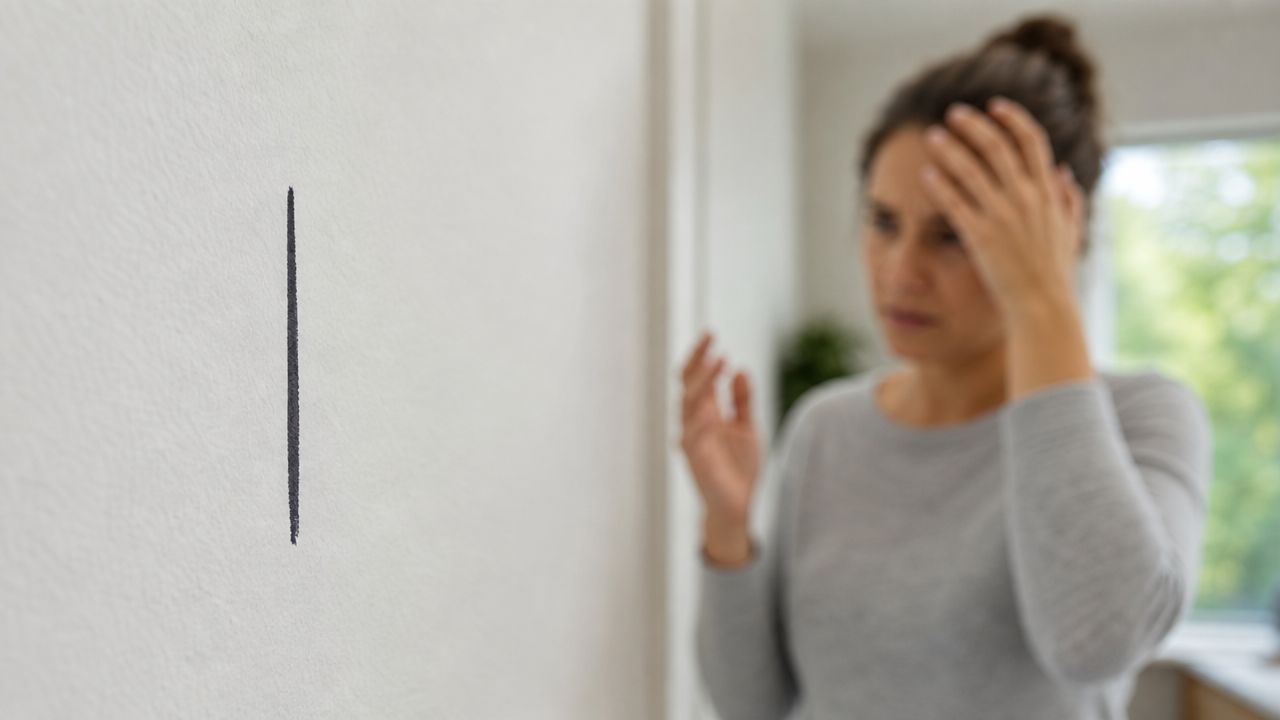
Permanent marker feels impossible because it isn't just sitting on top of the surface. The ink is built to hold on. The good news is that the right stain remover for permanent marker usually isn't about brute force. It's about matching the solvent to the surface and keeping the cleanup controlled.
In South Florida homes, that matters more than people expect. A painted wall in a humid laundry room, a laminate cabinet in a coastal condo, and a sealed wood table near a sunny slider won't all react the same way. I've seen people remove part of the stain, then realize they've also dulled the finish or spread the ink wider.
Practical rule: Start with the safest method that fits the surface, not the strongest product in the cabinet.
If the stain is fresh, your odds are better. If it's old, baked into fabric, or sitting on a delicate finish, the job changes from quick cleanup to damage control. That's where a calm, surface-by-surface approach saves you time, money, and frustration.
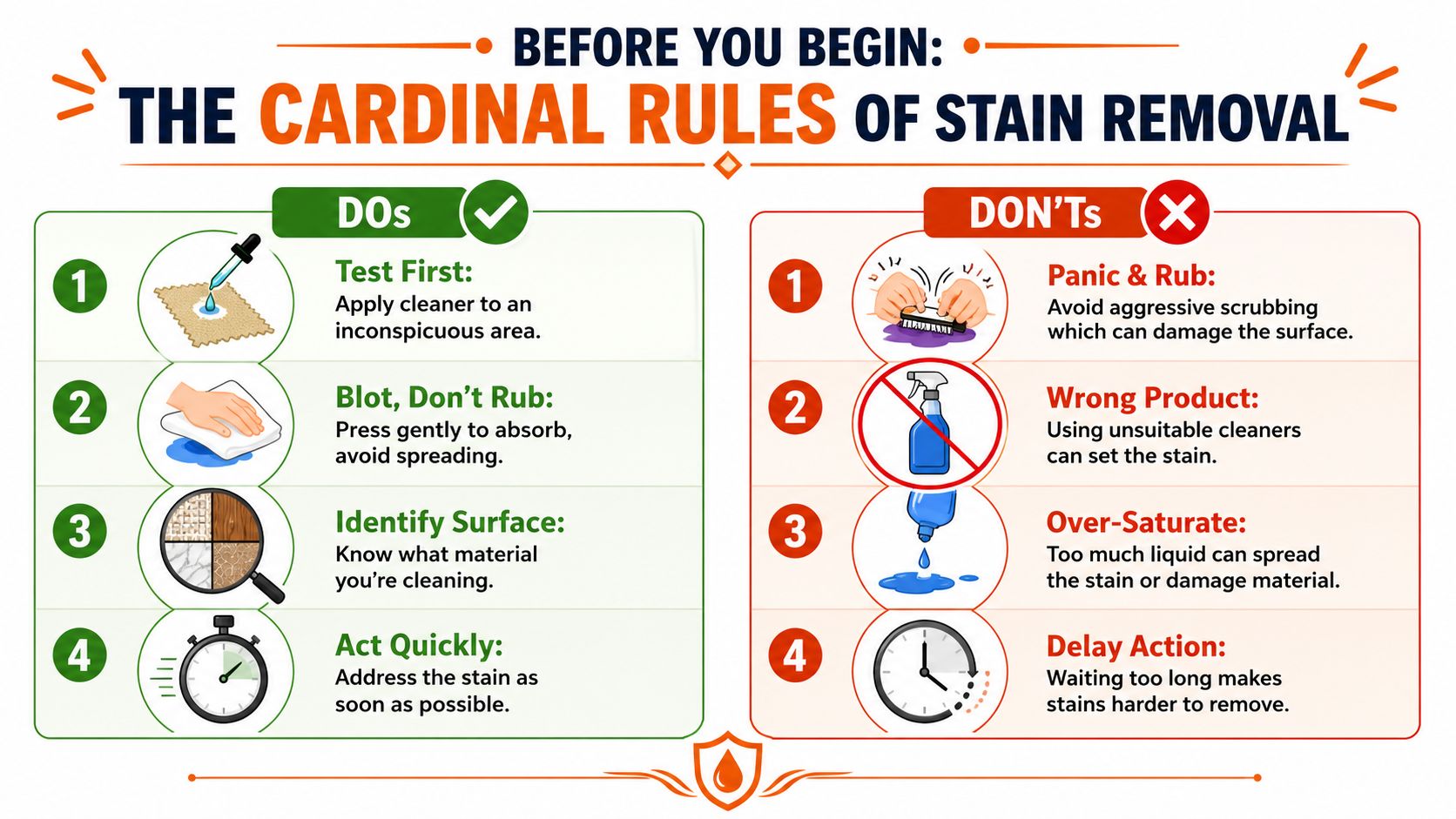
Before You Begin The Cardinal Rules of Stain Removal
A marker streak on a painted wall can turn into a shiny bald spot fast in a humid South Florida home. I see that a lot in Palm Beach County, especially where AC, salt air, and moisture have already made paint or finishes a little more sensitive than they look.
Know what the ink is doing
Permanent marker bonds aggressively, but the bigger risk is often the surface under it. Solvents can loosen ink, but they can also soften latex paint, haze laminate, strip wood finish, or spread dye deeper into fabric if you use too much liquid.
That trade-off matters in coastal homes. High humidity slows evaporation, so a cleaner sits on the material longer. On drywall, cabinet coatings, and upholstered pieces, that extra dwell time can leave swelling, shadowing, or a bigger stain ring than the original mark.
The checklist before any cleaner touches the stain
Start slow and keep the job controlled.
- Test in a hidden spot first: Check for color lift, dullness, sticky residue, or texture changes before you touch the visible mark.
- Use as little product as possible: A damp cloth or cotton swab gives you control. Flooding the area usually spreads the ink.
- Blot with a clean section each pass: Dirty cloths redeposit pigment. On fabric, put an absorbent towel behind the stain so the ink has somewhere to transfer.
- Keep air moving: Bathrooms, laundry rooms, and bedrooms can trap fumes with the AC running. Open a window if you can, or run the exhaust fan.
- Skip heat completely: Dryers, hair dryers, and sunny window exposure can set ink or bake in the remaining shadow.
- Stop if the finish changes before the stain does: If paint starts looking lighter, wood gets tacky, or faux leather starts feeling rough, the DIY attempt is costing more than it's saving.
One more practical rule. Remove related odors and stains in separate steps. If the item also has a musty or oily smell, handle that after the ink issue with a method meant for odor removal, like this guide on getting oil smell out of clothes.
If you find yourself pressing harder, scrubbing faster, or adding a second strong product to "make it work," stop there. That is usually the moment the surface starts getting damaged.
Your DIY Stain Remover Toolkit for Permanent Marker
A Sharpie mark on a dining chair or painted wall can feel minor for about 30 seconds. Then South Florida reality kicks in. Humidity keeps some surfaces softer than expected, sandy grit turns wiping into abrasion, and a quick DIY fix can leave a bigger repair than the original mark.
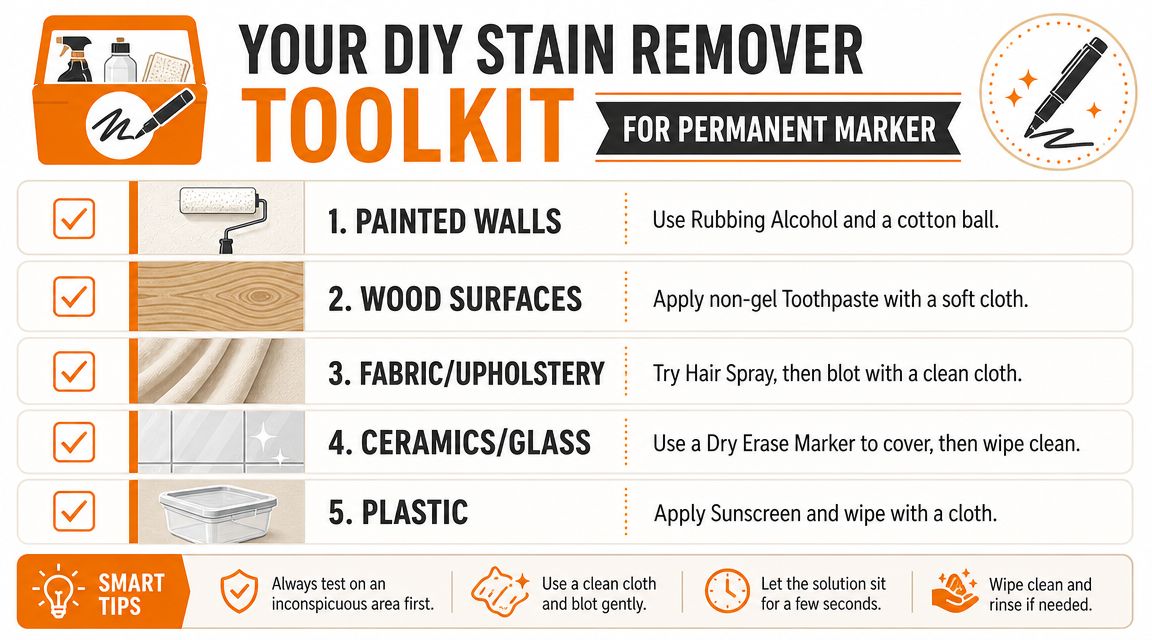
For fabric and upholstery
Fabric responds best to controlled blotting and patience. On clothes, cushion covers, and many synthetic upholstery blends, isopropyl alcohol is usually the first home option to try, but only in small amounts. Too much liquid can spread the ink deeper into the padding, and in our humid climate that moisture can linger longer than people expect.
Set the fabric over a clean white towel so the ink has somewhere to transfer. Dab with alcohol using a cotton swab or cloth, keep rotating to a clean area, and stop once the towel starts picking up color. Rinse the spot with a little cool water, then wash or hand-clean based on the care label. If the fabric is delicate, textured, or part of a fixed upholstered piece, work slower than you think you need to.
Bleach-based methods belong in a narrower lane. They can help on some white, bleach-safe washable items, but they are a poor choice for colored fabric, decorative upholstery, and anything with uncertain care instructions. In coastal homes, I also see people over-wet the area, leave cleaner residue behind, and then wonder why the piece smells off a day later. If cleanup leaves that kind of issue behind, this guide on removing oily smells from clothes after stain treatment can help.
Here's a useful visual if you want to see removal methods in action after reading the steps:
For non-porous surfaces
Glass, glazed tile, glossy whiteboards, and similar sealed surfaces give you the best chance of full removal. A small amount of isopropyl alcohol on a microfiber cloth usually works well. Wipe gently, then buff dry with a clean section so you can see whether you're removing ink or just smearing it.
Some marks need a few light passes. That is common on bathroom tile, appliance exteriors, and glossy cabinet panels where moisture in the air slows drying and makes faint shadowing easier to miss until the surface is fully dry. Gentle repetition is safer than pressure.
For painted walls wood and delicate finishes
This category is where generic advice fails people. Painted drywall, sealed wood, laminate furniture, faux leather, and wallpaper can all react differently to the same product. The marker may fade while the finish turns dull, sticky, pale, or patchy.
Use the mildest workable method and the smallest applicator you can manage. A barely damp cotton swab gives far more control than a soaked rag. On painted walls, one or two careful passes may be all you get before the sheen changes. On wood, if the area looks cloudy after drying, stop. You are no longer removing only the marker.
If the item is expensive, sentimental, recently painted, or already worn from coastal moisture, don't chase a perfect result with stronger solvents. A faint mark is often easier to live with than a stripped finish.
A Cleaners Field Notes from Palm Beach County
What shows up in local homes
Marker stains in Palm Beach County usually aren't isolated. They show up in homes already dealing with sandy traffic, sticky sunscreen residue, AC dust on vents, and the kind of bathroom humidity that keeps surfaces slightly tacky if airflow is poor.
In family homes around Royal Palm Beach and Wellington, the common scene is marker on painted walls, desk chairs, and bedroom furniture. In coastal condos from Juno Beach down toward Boca, it's more often a scuff-and-marker mix on baseboards, doors, and laminate cabinetry near entry areas where beach bags and rolling luggage bang around.
Airbnb and vacation rental turnovers add another layer. Guests leave labels on bins, kids draw on bunk bed rails, and quick DIY cleanup attempts happen right before check-in. That's usually when damage happens.
Where DIY goes sideways
A major gap in common advice is delicate-surface risk. Many guides mention alcohol or acetone, but they under-explain what can happen on painted walls, wallpaper, or sealed wood, where the wrong solvent can dull a finish, lift color, or spread the ink. That's the core warning in this discussion of permanent marker removal tradeoffs on delicate surfaces.
For upholstered furniture, the same caution applies. A microfiber couch, for example, can react badly to over-wetting and rough agitation. If that's your surface, this article on how to clean a microfiber couch is worth reading before you try a stain remover for permanent marker.
One local pattern stands out. In humid homes, people often keep blotting with too much liquid. That can soften drywall paper, loosen wallcovering edges, or leave rings in upholstery. The stain may fade while the surface gets worse.
When the Stain Wins Calling Sunset Shine Home Cleaning
You wipe a marker spot on a guest-room wall, the ink lightens, and the paint starts coming off on the cloth. In Palm Beach County, that turn happens fast. Humidity keeps surfaces softer longer, and repeated wetting can do more harm than the marker, especially on coastal paint, cabinetry, and upholstered pieces.
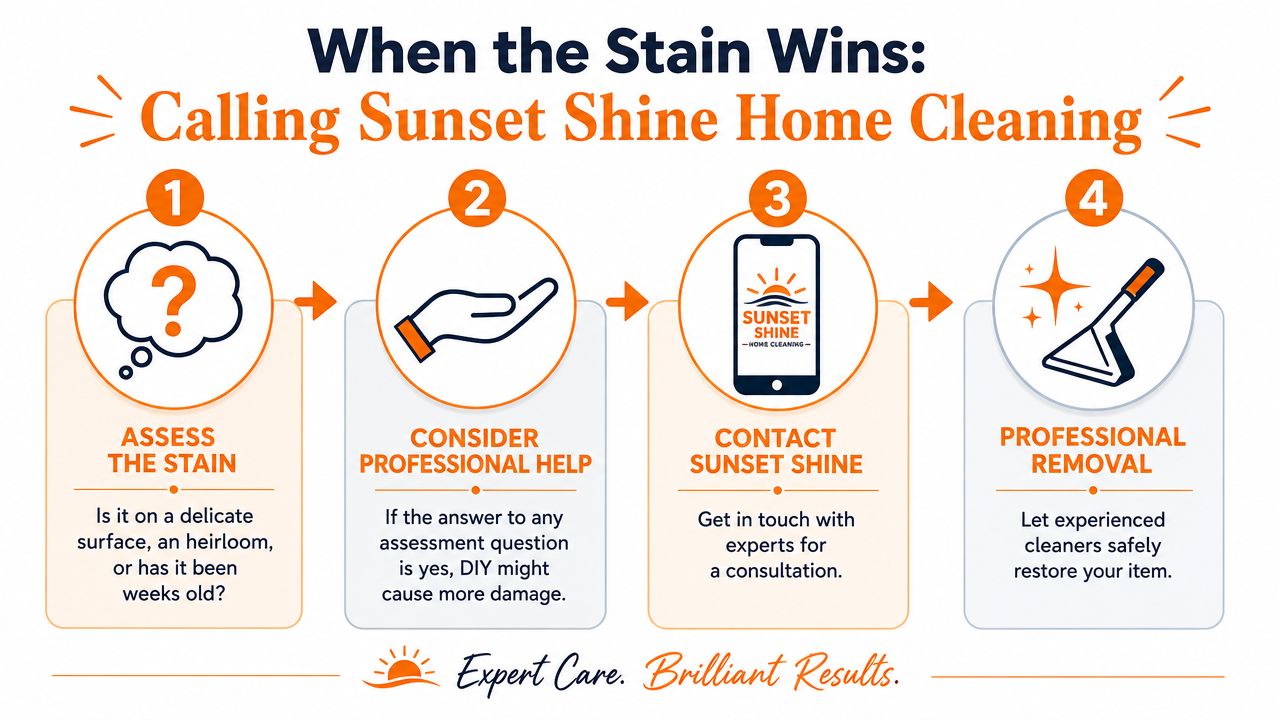
Some jobs are better handed off early. That is usually the cheaper call on leather, wallpaper, finished wood, specialty fabric, and any wall that needs to look clean for a move-out inspection or rental turnover.
When it makes sense to stop
A good stopping point is not about giving up. It is about protecting the surface.
Hand it off when:
- The finish matters more than the stain: Entry walls, cabinet faces, bed frames, and visible furniture can be harder to repair than the original marker mark.
- The material reacts quickly: If color transfers to your cloth, the sheen changes, or the area feels tacky, stop.
- The mark is in a high-visibility spot: Vacation rentals, listings, and final walkthrough cleans need controlled results.
- You have already tested one method: Stacking products makes it harder to tell what is removing ink and what is damaging the surface.
- The item has value: Leather bags, wood furniture, designer wallpaper, and specialty upholstery are poor places to experiment.
For white, bleach-safe fabric, there may be one last careful option, as noted earlier in the article, but only if the care label allows it and only with proper dilution. Full-strength bleach is a fast way to trade a marker stain for fabric damage.
If you want lower-residue products for regular upkeep around the house after the problem area is assessed, eco-friendly house cleaning services can be a practical fit.
Schedule Clean Inspect Enjoy
Sunset Shine Home Cleaning keeps the process straightforward:
- Schedule: Book online or call 561-408-4020 for a custom estimate based on the home's size, condition, and add-ons.
- Clean: Cleaners arrive with supplies and work from a checklist.
- Inspect: A quick quality check catches missed spots before the job wraps up.
- Enjoy: You get a cleaner home without risking extra damage from the wrong solvent.
In West Palm Beach area homes, permanent marker cleanup is often part of a bigger visit. Clients usually ask for bathrooms, kitchen degreasing, floors, baseboards, mirrors, cabinet exteriors, counters, fixtures, window sills, and light wall spot cleaning where the surface allows it. Add-ons can include inside oven, inside fridge, inside cabinets, pet-hair focus areas, and interior windows.
Pricing depends on bedrooms, bathrooms, square footage, condition, and add-ons. Most clients request a custom estimate.
Your Permanent Marker Removal Questions Answered
Does hairspray still work?
Sometimes, but it isn't as predictable as it used to be. Modern advice has shifted toward surface-specific cleanup, and for non-porous surfaces that usually means 70% isopropyl alcohol, with stubborn stains sometimes needing 1-3 repeat passes, as noted in this permanent-marker cleaning guide from COS.
Can I use the same stain remover for permanent marker on every surface?
No. That's the mistake that causes the most avoidable damage. Marker cleanup works best when you match the solvent to the material.
What about car seats or coated dining chairs?
Be careful. Coated vinyl, automotive materials, and faux leather can discolor or lose finish fast. If the item is valuable or highly visible, it makes sense to stop before the first aggressive attempt.
How can I lower the chance of this happening again?
Store markers out of reach, use washable finishes where possible, and deal with fresh marks right away. In busy Palm Beach County homes, quick action matters because heat, humidity, and daily traffic don't make cleanup easier.
South Florida humidity shows up fast on walls, grout lines, and upholstery. In coastal homes, the bigger risk isn't always the marker itself. It's damaging the finish while trying to remove it.
Book your cleaning with Sunset Shine Home Cleaning – your trusted house cleaning service in West Palm Beach. Call 561-408-4020 or book online – sunsetshinehomecleaning.com