
You pull a shirt out of the washer, give it a quick sniff, and there it is again. Frying oil from last night’s kitchen session. Boat fuel from a weekend at the marina. Garage grease from a quick repair that turned into a bigger mess than expected. In Palm Beach County, that smell doesn’t just linger. Humidity helps it hang around.
That’s why people in West Palm Beach, Palm Beach Gardens, and nearby communities get frustrated fast with oily odors. The clothes look clean, but they don’t smell clean. And once that odor settles into fabric, especially if the item sat in a hot laundry basket or got tossed in the dryer too soon, a normal wash often won’t touch it.
The good news is that there is a reliable way to handle it. The trick is treating the smell like a residue problem, not a perfume problem. Masking sprays and dryer sheets usually waste time. Targeting the oil and the odor source works better.
Table of Contents
- That Lingering Smell A South Florida Laundry Problem
- Identify Your Opponent The Oil Type and Fabric
- Pre-Treating to Break Down Odors at the Source
- The Ultimate Wash Cycle for Odor Elimination
- Tackling Stubborn Smells and Delicate Items
- Prevention and When to Call the Professionals
That Lingering Smell A South Florida Laundry Problem
A lot of oil odor problems start the same way. Someone cooks a big meal, wipes hands on a towel without thinking, or leans against a greasy surface in the garage. A boater comes home with a shirt that picked up fuel or engine residue. The item gets washed later that day, then comes out smelling almost exactly the same.
In South Florida, moisture in the air makes that worse. Clothes don’t always dry fast, laundry rooms stay warm, and fabrics can hold onto odor longer than people expect. A shirt left bunched up in a hamper in West Palm Beach has a different battle than one drying out in a cooler, drier climate.
Oil smell usually means some of the oil is still in the fabric. If you can still smell it, you usually haven’t removed the residue yet.
That’s the part many guides skip. They treat odor like a surface issue. It isn’t. With cooking oil, motor oil, and greasy workwear, the smell is tied to what’s still sitting in the fibers.
Care label first. Always. If you’re dealing with washable cotton, you’ve got more room to work. If it’s a delicate blouse, lined jacket, or anything marked dry clean only, the approach changes right away.
If you need routine help keeping laundry-heavy homes fresh in the first place, especially in busy family homes, it helps to start with a cleaner overall environment and consistent housekeeping support from a West Palm Beach maid service.
Identify Your Opponent The Oil Type and Fabric
Not all oil smells behave the same way. Bacon grease on a cotton dish towel is a very different problem from boat fuel on a fishing shirt or massage oil on synthetic activewear. If you want to know how to get oil smell out of clothes, start by identifying two things fast. What kind of oil touched the item, and what fabric are you treating?
Start with the smell and the stain
Kitchen oils usually leave a soft greasy patch and a stale cooking smell. Petroleum oils often smell sharper and harsher. Essential oils can be strong even when there’s no visible stain. And old oil exposure can turn into a mixed problem where residue and odor-causing bacteria are both involved.
Before using any treatment, check the care tag and ask:
- Is it washable or dry clean only
- Is the fabric cotton, denim, linen, polyester, nylon, rayon, silk, or wool
- Did the item get heat-dried already
- Is there a visible stain or mainly odor
That last point matters. If there’s still an obvious slick spot, focus on grease removal first. If the stain is gone but the smell remains, you’re likely dealing with trapped residue deeper in the fibers.
Quick Guide to Treating Different Oil Smells
| Oil Type | Common In… | Best First Step |
|---|---|---|
| Cooking oil | Dish towels, aprons, T-shirts, restaurant wear | Blot residue, then use dish soap on the area |
| Motor oil or grease | Garage clothes, work pants, uniforms | Blot, then pre-treat with a grease-specific detergent |
| Boat fuel or engine oil | Marina wear, deck shoes, boat towels | Isolate the item and air it safely before washing |
| Body oil or massage oil | Sheets, pillowcases, robes | Pre-treat before the oil oxidizes in the fabric |
| Essential oil | Towels, casual wear, activewear | Spot-test first, then use a fabric-safe odor treatment |
| Mixed household oil odor | Hamper loads, rags, reusable cloths | Separate items by fabric and odor strength |
Practical rule: Don’t treat all smelly laundry as one load. Separate heavily affected items from lightly affected ones, and keep oily towels away from everyday clothing.
Fabric changes the game. Cotton is usually forgiving. Polyester and performance blends often hold smells longer. Silk, wool, and structured garments need a gentler plan. That’s why one “laundry hack” can work perfectly on a kitchen towel and fail completely on a golf polo.
Pre-Treating to Break Down Odors at the Source
Pre-treatment does the heavy lifting with oil odor. In West Palm Beach, that matters even more because humid air slows drying and gives oily residue more time to settle into fabric, especially if the item sat in a basket, beach bag, gym tote, or boat locker.
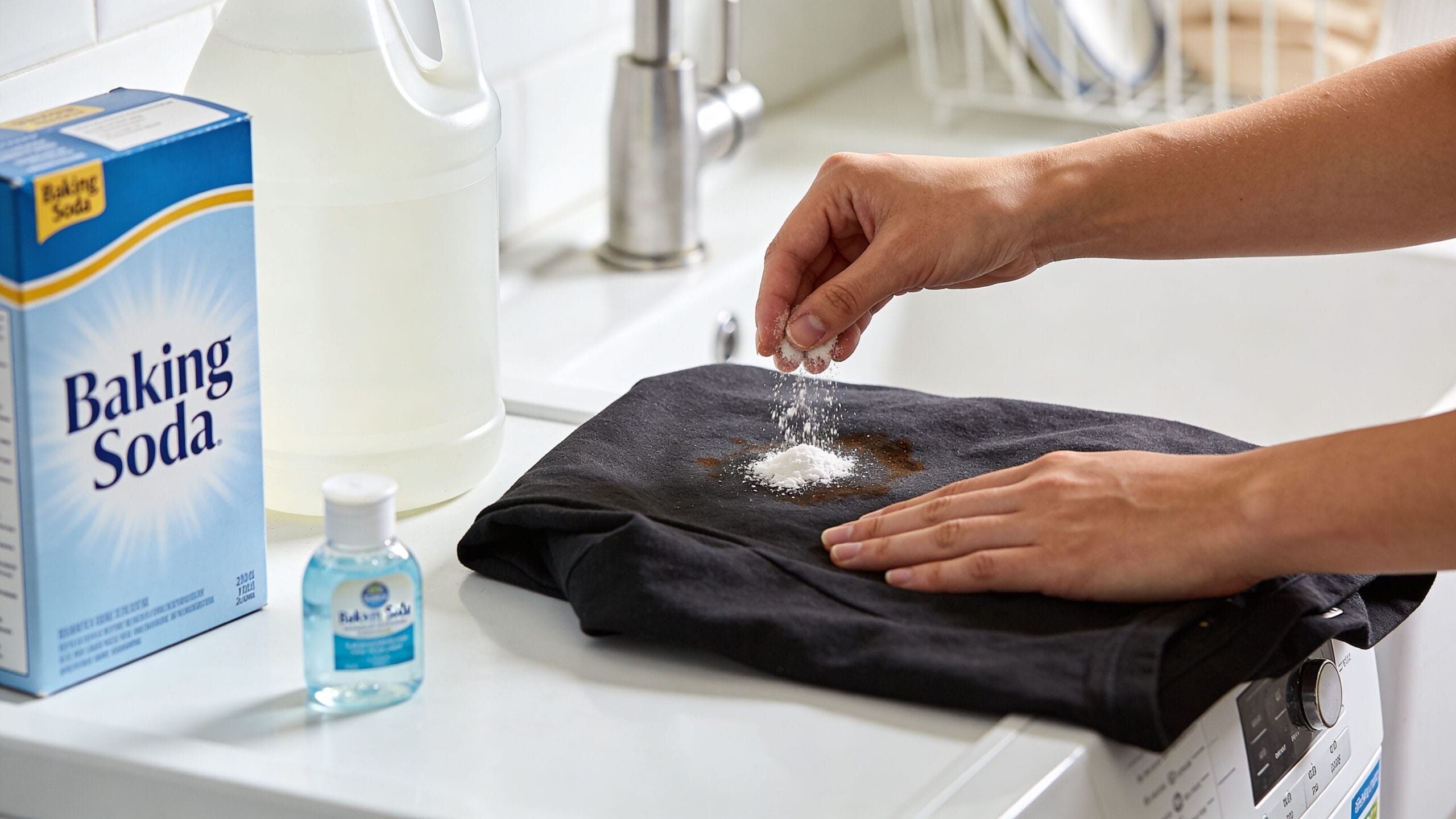
Start before the garment hits the washer. If you wash an oily item without pre-treating it, heat and agitation can spread residue into more of the fabric instead of clearing it out.
Baking soda for absorbed odor
Baking soda works best when the smell is lingering in the fibers and the fabric is washable. According to gear oil odor removal guidance, baking soda can adsorb odor molecules, and a paste left on for at least 30 minutes helps soften oil residue. The same source also notes that a 30-minute soak in a 1:4 mix of white vinegar and water can reduce odor-causing bacteria.
For a baking soda treatment:
- Blot away any fresh oil with a clean cloth or paper towel.
- Mix baking soda with a small amount of water until it forms a thick paste.
- Apply it over the full affected area, including the fabric around the strongest smell.
- Let it sit for 30 minutes.
- Brush off or rinse off the residue before washing.
I use this most often on cotton T-shirts, kitchen towels, washable canvas items, and casual house linens. It can help with old cooking oil smells and light motor oil residue, but it is less dependable on polyester, nylon, and performance blends that tend to hold odor in a tighter weave.
Vinegar for stale, sour odor
Some oil smells are not pure oil anymore. They turn sour after sitting damp in Florida heat, especially on activewear, work shirts, and towels left in a trunk or hamper.
That is a good time for vinegar, not for every item, but for washable fabrics that can handle a soak. Mix one part white vinegar with four parts water in a sink, bucket, or basin. Soak for 30 minutes, then wash. Do not use this approach blindly on silk, wool, rayon blends, or anything with a strict care label. Spot-test first if there is any doubt.
A quick visual demo can help if you’re more of a watch-and-do person.
Dish soap for fresh greasy residue
Dish soap is still one of the best first treatments for fresh cooking oil, butter, salad dressing, sunscreen oil, and greasy splatter from backyard grilling. A few drops are enough. Work it in gently with your fingers or a soft brush, let it sit briefly, then wash.
Use some restraint here. Too much dish soap can leave heavy suds behind, and that becomes its own laundry problem.
A few practical rules make this work better:
- Blot first: Remove as much fresh oil as possible before adding any product.
- Use a small amount: A light coat of dish soap is easier to rinse out.
- Work gently: Hard scrubbing can spread the oil and rough up the fabric.
- Cover beyond the spot: Odor often sits outside the visible stain.
- Act quickly: Oil that sat overnight in humid air is harder to remove than oil treated the same day.
For synthetic athletic wear and work polos, I usually start with dish soap only on the oily area, then rinse well before washing. Heavy pastes and long soaks can cling to those fabrics if they are not rinsed out fully. For structured or non-washable pieces, skip DIY saturation treatments and use the gentlest odor-control method possible so you do not create a stain ring or water mark.
The Ultimate Wash Cycle for Odor Elimination
In West Palm Beach, this is the point where a lot of laundry goes wrong. The stain looks lighter, the shirt smells better while it is wet, and then Florida humidity dries everything just enough for that old fryer oil, sunscreen, boat grease, or cooking smell to come right back.
The wash cycle has to remove both the oil and the residue holding odor in the fabric. That takes the right detergent, the right water temperature for the label, and enough room in the drum for a full rinse.
Detergent and temperature matter
For greasy odor, a basic “gentle” detergent often falls short. A stronger enzyme or grease-focused formula usually does a better job, especially on kitchen towels, work shirts, fishing clothes, and synthetic activewear that hangs onto oily smell longer than cotton.
According to Persil’s guidance on removing grease smell from clothes, pre-treating with a grease-specific detergent and washing at the highest safe temperature for the fabric can remove 92% of odor on the first wash, and the same guidance warns against using the dryer until the smell is fully gone because heat can set lingering odor into the fibers.
That lines up with what I see in South Florida homes. Warm water helps a lot with oily residue, but only if the fabric can handle it. Cotton kitchen items and sturdy work clothes usually do well with warmer settings. Polyester polos, performance shirts, and stretch blends need more caution. Too much heat can wear them out faster or leave odor trapped if any residue is still there.
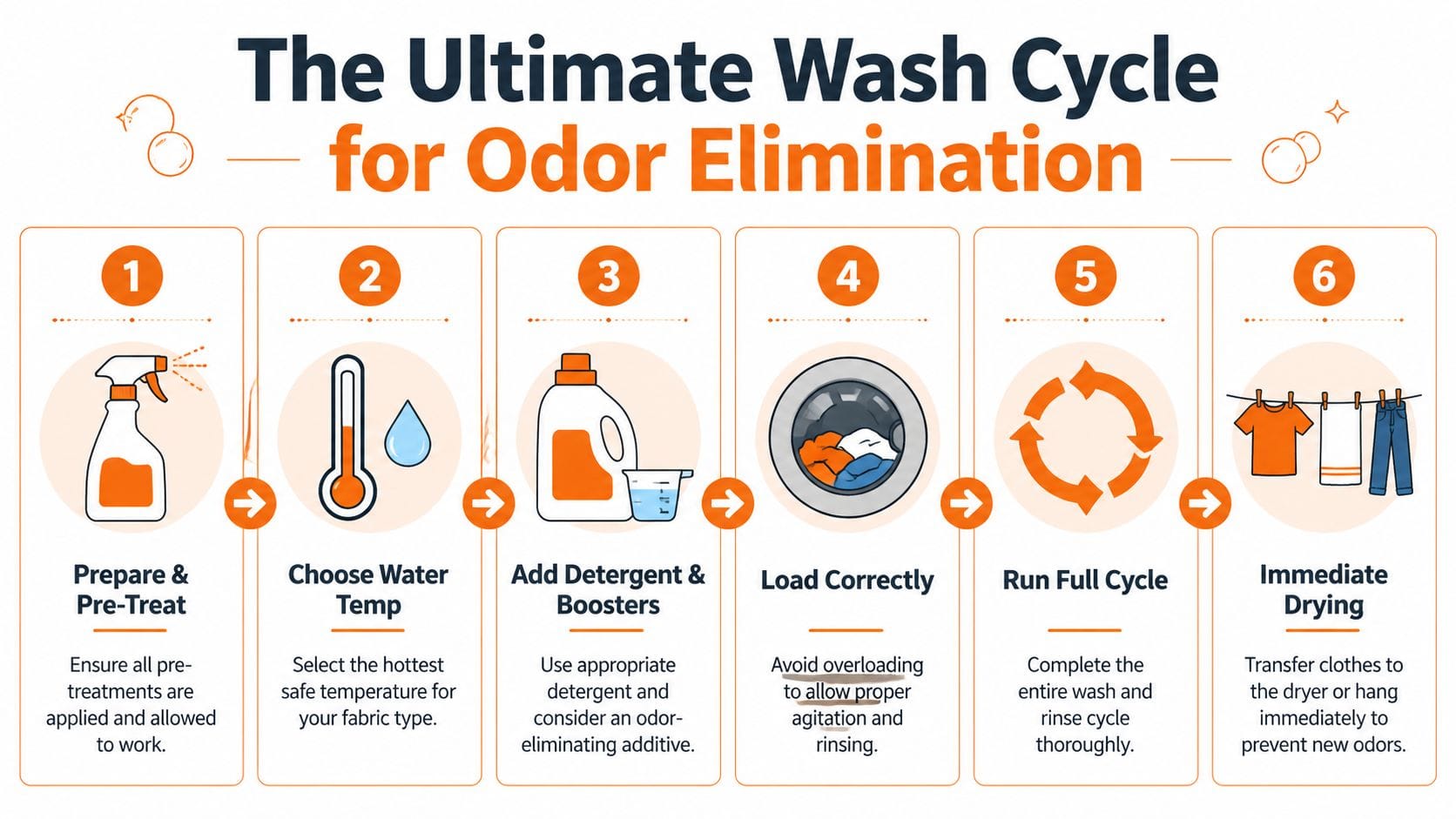
A wash setup that works well looks like this:
- Use a detergent built for oil and odor: Enzyme or grease-cutting formulas clean deeper than mild daily detergents.
- Choose the warmest safe setting on the care label: More heat helps loosen oily residue, but fabric limits still apply.
- Run a full-length cycle: Short cycles often leave behind detergent, oil, or both.
- Keep the load loose: If the drum is packed, water cannot move through the fabric well enough to rinse odor out.
- Add an extra rinse if needed: This helps with heavy residue, especially on synthetics and thick workwear.
Machine habits that help and habits that hurt
Load size matters more than people think. If you wash oily items in a packed machine, the clothes rub together, but they do not get flushed clean. The odor stays in the fibers, and in humid air that leftover residue becomes obvious fast.
Wet time matters too. Leaving clean laundry sitting in the washer for hours is a bad bet in South Florida. Even after a good wash, trapped moisture can create a stale smell that gets mistaken for lingering oil.
I also tell clients to separate heavily oily items from regular laundry when possible. A couple of grease-marked shop shirts or boat towels can spread residue onto lighter garments, especially in a small load with too little detergent. If you want to see the kind of real-world cleaning results we aim for in local homes, take a look at our recent cleaning work in West Palm Beach homes.
If an item still has any oily smell after washing, let it air-dry and check again before using machine heat. That extra step saves a lot of synthetic shirts, uniforms, and favorite cotton pieces that would otherwise come out of the dryer smelling permanently “clean-ish” instead of properly clean.
Tackling Stubborn Smells and Delicate Items
You wash a fishing shirt, hang it up, and by the next afternoon in West Palm Beach it still has that faint fryer, engine, or sunscreen-oil smell. That usually points to one of two trouble spots: synthetic fabric that holds odor in the fibers, or a delicate item that cannot handle a standard wash cycle.
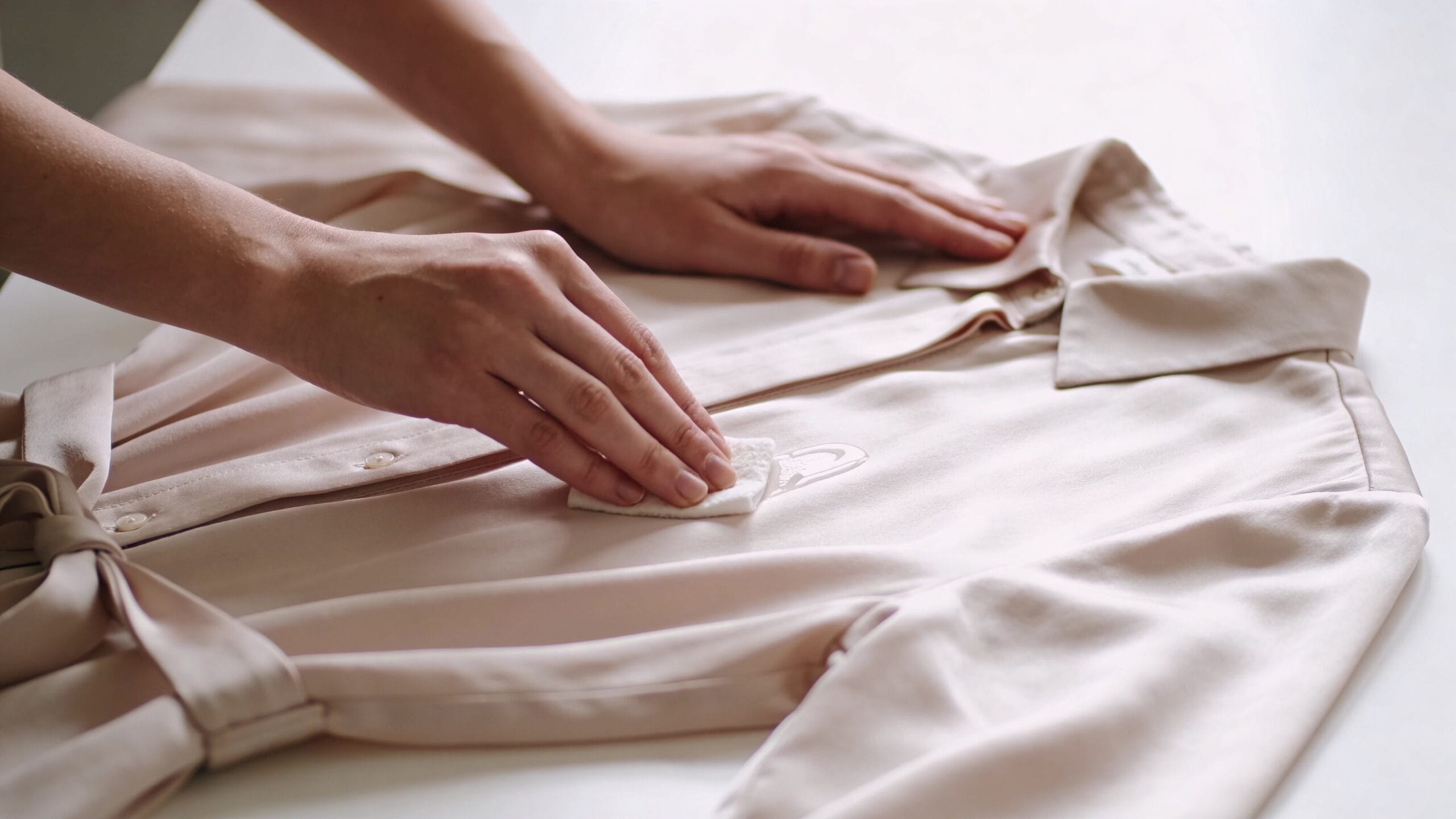
Why polyester and performance wear keep the smell
Polyester, nylon, and moisture-wicking blends are common in South Florida for a reason. They are light, they dry fast, and they hold up well for boating, golf, restaurant work, and gym use. They also tend to hang onto oily odor longer than cotton or linen. As noted earlier from Whirlpool’s guide on grease and oil stains, synthetic fibers can retain more oil-related odor compounds, and the same source also notes passive odor-control options for delicate, non-washable items.
That matches what we see in real homes. Performance polos, fishing shirts, athletic tops, and work uniforms often come out looking clean but still smell off once Florida humidity hits them.
For synthetics, use a stronger but fabric-safe approach:
- Pre-treat longer than you would for cotton: Give the product time to work into the fibers before washing.
- Choose the warmest water the care label allows: Higher water temperature helps loosen oily residue, but label limits still matter.
- Wash these items with room to move: Synthetic shirts packed tightly together do not rinse well.
- Skip fabric softener: It can leave residue that makes odor cling even harder.
- Air-dry fully before storage: Even slight dampness in a drawer, closet, or gym bag can bring the smell right back.
If the shirt still smells after one round, repeat the treatment instead of masking it with scent beads or heavy fragrance. On synthetics, perfume often covers the problem for a day and then mixes with the leftover oil.
What to do with dry clean only and unwashable pieces
Silk blouses, lined jackets, leather-trimmed garments, and some uniforms need more restraint. Water can leave rings, change the shape, or damage the finish. Rubbing too hard can do the same thing.
Start with dry odor control. Place the item in a clean, dry indoor space with airflow. Then use activated charcoal nearby in a garment bag, closet, or other enclosed area for a day or two. If the care needs are unclear, stop there and send it to a cleaner who handles specialty fabrics.
A light odor mist can help in some cases, but only after a spot test on a hidden area. That is a real trade-off. Sprays may reduce odor, but they can also mark silk, affect dyes, or leave a residue on leather trim if you get too aggressive.
Use this order for delicate pieces:
- Blot any fresh oily spot with a clean white cloth.
- Let the item air out in a dry room, not on a humid patio or in a closed bathroom.
- Use activated charcoal nearby to absorb odor gradually.
- Spot-test any fabric-safe deodorizing product before wider use.
- Take it to a qualified cleaner if the smell remains or the material is easily damaged.
I give clients this advice all the time in South Florida. Delicate items usually respond better to patience than force. A ruined silk top costs more than a professional cleaning bill.
For examples of the detail-focused results we aim for in local homes, clothing areas, and laundry-heavy spaces, take a look at recent cleaning work in West Palm Beach homes and rentals.
Prevention and When to Call the Professionals
Prevention is less glamorous than stain rescue, but it saves time. Keep kitchen towels for kitchen use only. Don’t wear the same shirt from a fry-heavy dinner straight into the hamper with everything else. Air out boating clothes and workwear before they sit indoors. In humid Florida homes, even a few extra hours of trapped moisture can make a mild oil smell much harder to remove.
A few habits help a lot:
- Treat same day when possible: Fresh residue is easier to remove.
- Store laundry dry: Don’t leave damp items in piles or baskets.
- Use aprons and work shirts: Sacrificial layers save better clothes.
- Check before drying: Heat is where many recoverable odors become long-term problems.
Some situations are bigger than a laundry fix. If cooking oil odor has spread through linens, towels, upholstery-adjacent fabrics, or an entire move-out property, it makes sense to bring in help instead of chasing the smell room by room. The same goes for post-construction dust mixed with greasy residue, vacation rentals after heavy kitchen use, and homes where laundry odor is tied to a larger deep-cleaning issue.
If that sounds familiar, a thorough deep cleaning service in West Palm Beach can make a bigger difference than rewashing the same items over and over.
If you’re dealing with stubborn household odors, heavy kitchen buildup, rental turnover mess, or a home that needs a full reset, Sunset Shine Home Cleaning can help. We serve West Palm Beach and Palm Beach County with detail-focused, non-toxic cleaning that makes homes feel fresh again.
Composed with Outrank tool