
Welcome to Palm Beach! Here's your plan.
Getting the keys to your new home in West Palm Beach feels great right up until the to-do list hits. You've got documents, utility accounts, locks, alarm codes, boxes, and a house that may look clean at first glance but still has cabinet dust, AC vent buildup, and bathroom moisture issues hiding in plain sight. A solid new homeowner checklist keeps those first days from turning into a scramble.
This version is built for Palm Beach County living. That means thinking beyond paperwork and boxes. You're dealing with year-round AC use, humidity that shows up fast in bathrooms and closets, salt air in coastal areas like Juno Beach and Boca Raton, and rainy-season mud that can get tracked in before you've even picked a spot for the welcome mat. Start with the first day, move through the first week and month, and set yourself up for a cleaner, easier first year.
Table of Contents
- 1. Day 1. Secure Your Home & Check Safety Basics
- 2. Week 1. Schedule Your Professional Move-In Deep Clean
- 3. Week 1. Get Connected with Local Utilities
- 4. Month 1. Inspect for South Florida Specifics
- 5. Month 1. Unpack Strategically and Get Organized
- 6. Month 2. Establish Your Recurring Maintenance Routine
- 7. First Year. Plan for Seasons and Storms
- 8. First Year. Connect with Your New Community
- 8-Step New Home Checklist Comparison
- Your Clean, Comfortable Palm Beach Home Awaits
1. Day 1. Secure Your Home & Check Safety Basics
You get the keys, open the front door, and start spotting the day-one stuff fast. A side gate does not latch cleanly. The garage keypad still works with the old code. The AC is running, but you do not yet know where the shutoff is or which breaker controls it. In Palm Beach County, those are not small details. Heat, humidity, afternoon storms, and pool access make day-one safety checks worth handling before the house fills up with boxes.
Start with access. Rekey or replace exterior locks as soon as you can. Reset the garage keypad, alarm code, smart lock, doorbell camera, thermostat app, and any lighting controls connected to the home. Physical keys are only part of the handoff now. Digital access matters just as much.
Then walk the property before sunset. Check front and back doors, first-floor windows, fence lines, side gates, pool barriers, and screen enclosures. In coastal and inland parts of Palm Beach County alike, salt air, moisture, and fast plant growth can wear down hardware or hide weak spots sooner than new owners expect.
Practical rule: Find every shutoff, latch, and panel on day one, while the house is still quiet.
Next, locate the systems you would need during a leak, outage, or storm prep rush. Find the main water shutoff, breaker panel, water heater, AC air handler, exterior condenser, and any propane or irrigation controls. Test smoke detectors. Check carbon monoxide detectors if the home has gas appliances or an attached garage. If detector batteries are old or missing, replace them now instead of adding it to a list that gets buried under move-in tasks.
Take a few minutes to document what you find. Snap photos of the breaker labels, shutoff valves, AC model tag, garage motor label, and hurricane shutter hardware if the home has it. Save those photos in one folder on your phone and back them up. Keep your closing documents, appliance manuals, warranties, and gate or alarm instructions in one physical file.
For a South Florida move, I also like to check the spots that turn into annoying calls later. Run every sink and shower briefly and look under cabinets for slow drips. Open the electrical panel area and make sure it is dry. Look at the air filter size before the first humid week reminds you. If the home sat vacant, use a simple pre-move-in cleaning checklist to catch dust, residue, and overlooked trouble spots before they spread through the house: how to clean a house before moving in.
Fairway also highlights the same first-day priorities in its new homeowner checklist: secure access, confirm utilities, protect your documents, and identify the major home systems. That order works well because it cuts down on the problems that usually show up first.
If you are moving into a West Palm condo, add building access items to your list. Fobs, call box setup, loading rules, and parking permissions can slow you down more than the move itself. In Wellington, Jupiter, or Loxahatchee, you may have more ground to check, plus gates, sheds, well equipment, or outbuildings. Different property types bring different first-day priorities, but the goal stays the same. Know how to secure the home and how to respond when something needs attention fast.
2. Week 1. Schedule Your Professional Move-In Deep Clean
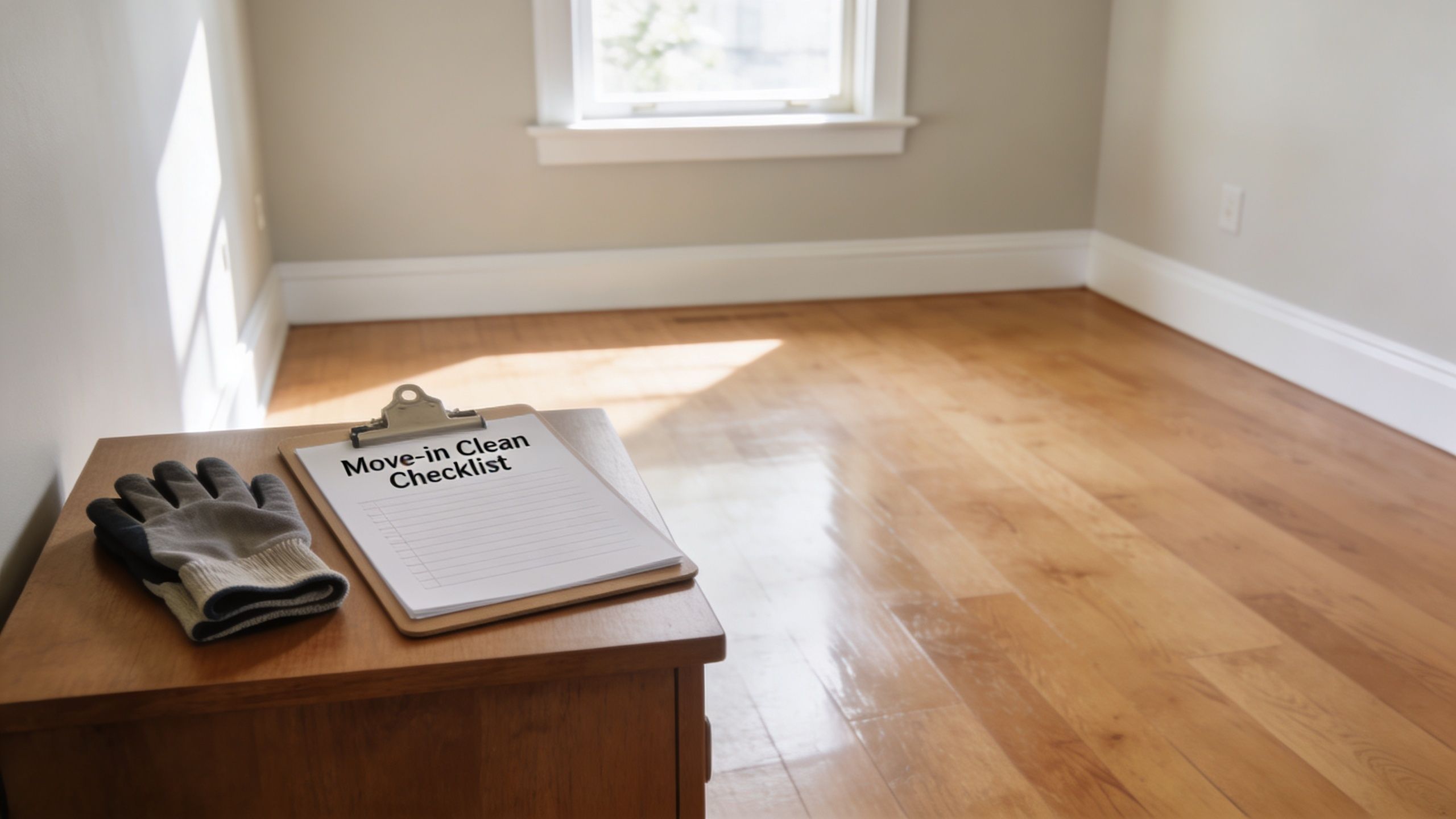
A lot of homes are “clean enough” for a showing and nowhere close to clean enough for a fresh start. The first week is when this new homeowner checklist should shift from admin tasks to the reset people feel in their day-to-day life.
Clean before furniture makes it harder
There's a real gap in most homeowner advice. Many checklists cover locks, utilities, detector checks, and shutoff locations, but they rarely give a room-by-room plan for the first major cleaning reset before the house is filled up, as noted in this discussion of the cleaning gap in new homeowner checklist advice. That's exactly when cleaning matters most.
An empty home is easier to clean correctly. You can get to floor edges, cabinet interiors, appliance seals, closet shelves, baseboards, vent covers, and bathroom corners without working around beds, sofas, and moving boxes.
What a true reset should include
In Palm Beach County homes, the usual trouble spots are predictable:
- Bathroom grout and exhaust areas: Humidity leaves mildew film and dust buildup faster than many new owners expect.
- Kitchen cabinets and appliance interiors: Crumbs, grease haze, and shelf dust often stay behind after move-out.
- Vents, sills, and baseboards: Year-round AC use pulls dust onto vent covers, and tropical pollen settles along tracks and ledges.
- Floor edges and closet corners: Sand, pet hair, and renovation debris collect where a quick turnover clean often misses.
If you want a practical prep list before moving day, this guide on how to clean a house before moving in is a strong place to start.
A local example. In West Palm Beach move-in cleans, tile floors may look fine in the middle of the room, then show a line of grit and dust around the perimeter once the light hits from the sliding doors. That's why cleaning an empty home first works better than trying to “touch up” after the truck is unloaded.
A vacant house tells the truth. Once the furniture comes in, hidden dust and residue become much harder to remove.
3. Week 1. Get Connected with Local Utilities
A Palm Beach County move gets frustrating fast when the AC is off, the Wi-Fi is still in the seller's name, or the gate code stops working after business hours. Handle utility setup in your first week, before small access problems turn into a hot, humid mess.
Set up the accounts that affect day-one comfort
Start with electric, water, internet, trash pickup, and sewer if your area bills it separately. In South Florida, electric service matters immediately because the house can heat up and hold moisture within hours. If service transfer dates are wrong, you feel it right away.
Community details matter too. In a condo, townhome, or gated neighborhood, get the HOA or property management contact, approved move-in hours, parking rules, elevator reservation process, and gate entry instructions in writing. Closing folders are often incomplete, and it is much easier to fix that now than while a moving truck is waiting outside.
Build one home info file and keep it current
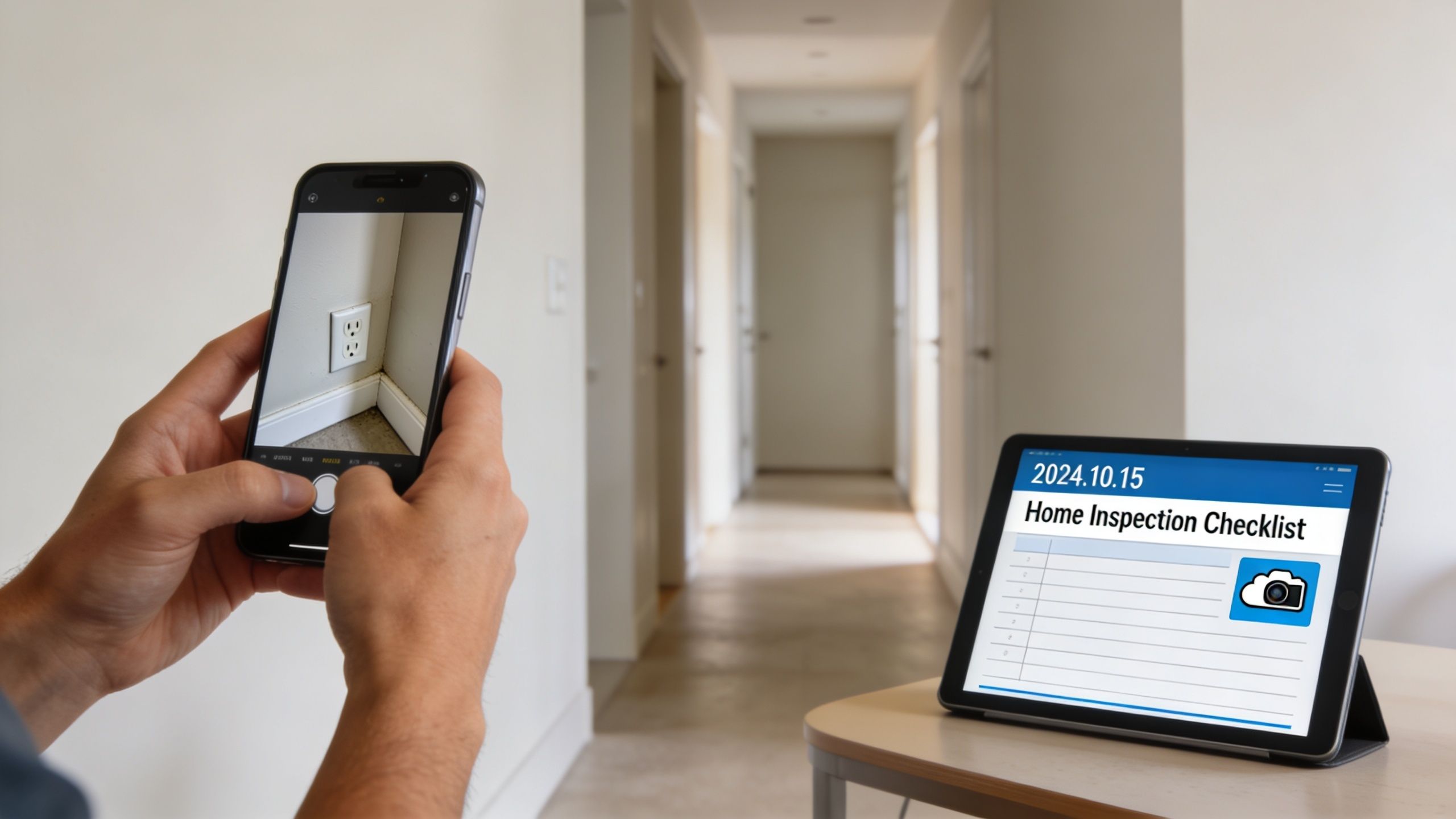
Use one binder, one cloud folder, or one notes app. Pick one and stick with it.
Keep these details there:
- Electric and water account numbers
- Internet provider login and equipment return info
- Trash and bulk pickup days
- HOA office number and after-hours security contact
- Alarm monitoring details
- Garage remote instructions
- Smart lock, camera, thermostat, and doorbell app access
- Appliance model numbers and warranty paperwork
This also helps with maintenance. If your AC starts running constantly, you will want the thermostat login, filter size, and service contact in one place. A quick reference for cleaning ceiling fans before dust blows around the house also comes in handy once the system is running regularly.
In Boca Raton, Delray Beach, and Palm Beach Gardens, I see new owners lose more time to access and account issues than to unpacking itself. Get the power on, confirm the internet works, test every remote and app, and save the contact names now. The first week goes a lot smoother when the house is fully ready to function.
4. Month 1. Inspect for South Florida Specifics
By the end of the first month, patterns start to show. You'll notice where the house holds moisture, where dust settles, and which surfaces react badly to salt air or constant AC use.
Look for moisture, salt, and AC-related buildup
Coastal and near-coastal homes often show residue on metal fixtures, shower glass, and exterior-facing windows sooner than inland buyers expect. Bathrooms can collect mildew on grout lines and ceilings even when the home seemed dry during showings. In houses with strong AC output, vent covers and ceiling fan blades gather dust quickly.
That's why Month 1 should include an HVAC check and a room-by-room moisture look. Navy Federal's after-closing guide highlights cleaning and servicing heating and cooling systems, replacing furnace filters, keeping AC units clear, reviewing homeowners insurance, and updating the household budget for housing costs and an emergency repair fund in the after-closing homeowner checklist. In South Florida, that advice lands because AC performance and moisture control shape daily comfort.
If your ceiling fans are already holding a fuzzy layer of dust, this practical guide on how to clean a fan can help you reset them safely.
Pay attention to the quiet warning signs
Look under sinks, behind toilets, around air vents, and along window tracks. Open closet doors that stayed shut during showings. Check the laundry area for damp smells and inspect bathroom exhaust fans that may be running weak.
Moisture problems rarely introduce themselves dramatically. They usually show up first as odor, film, or recurring dust that sticks where it shouldn't.
A short local example. In Jupiter and Juno Beach homes, salt air and humidity often team up on bathroom hardware and shower enclosures. The fixture still works, but the finish starts looking tired fast if nobody resets it early and keeps it dry.
5. Month 1. Unpack Strategically and Get Organized
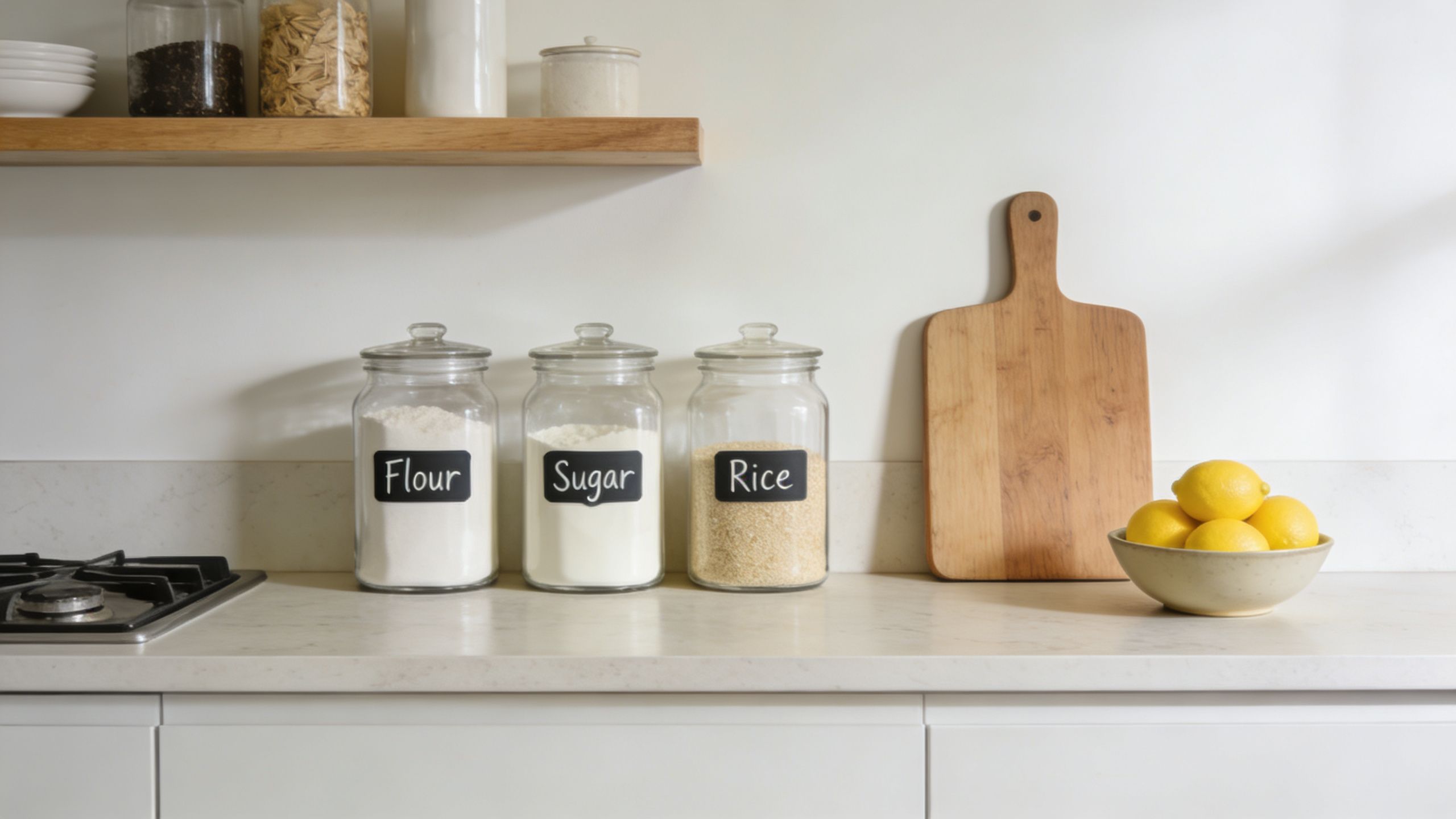
Unpacking without a system creates clutter you'll fight for months. A smart new homeowner checklist doesn't stop at getting boxes inside. It helps you decide where things should live so the house stays manageable.
Set the house up to stay clean
Line kitchen and bathroom cabinets after they've been fully cleaned, not before. Don't fill every closet on the first weekend just because the boxes are there. Leave a little breathing room so air can move, especially in South Florida closets, laundry rooms, and bathroom storage where trapped humidity can leave that stale smell behind.
A good rule is simple. Unpack daily-use spaces first, decorative spaces later.
- Kitchen first: Dishes, cookware, coffee setup, and pantry basics.
- Bathrooms next: Towels, toiletries, cleaning basics, and spare paper goods.
- Bedrooms after that: Bedding, laundry flow, and closet essentials.
- Garage and storage last: Keep these zones flexible until you understand what the house needs.
Organize the rooms that get messy fastest
The entry area matters more than people think in Palm Beach County. Sand, wet shoes, backpacks, umbrellas, dog leashes, and grocery bags all land there first. If you don't give that zone a plan, the whole house feels messy even when the rest is under control.
Use bins, trays, and hooks that can handle damp towels, pool gear, and rainy-season clutter. In larger homes out in The Acreage or Loxahatchee, set up one real drop zone instead of letting every exterior door become one. In condos and townhomes, make the foyer work harder because there usually isn't much overflow space.
6. Month 2. Establish Your Recurring Maintenance Routine
By Month 2, the house has shown you what kind of upkeep it wants. Some homes need more bathroom attention because of humidity. Others need more floor care because of kids, pets, or beach traffic. At this stage, a new homeowner checklist turns into a realistic routine.
Build a routine that matches Palm Beach County life
A Palm Beach County home doesn't stay “just cleaned” for long. AC dust settles on vents and blades, tropical pollen collects on sills, and rainy weather can turn clean entry tile into a mess in one afternoon. If the home is near the coast, salt residue adds another layer to the reset.
The mistake is waiting until buildup is obvious. By then, bathrooms take longer, grout looks older than it is, and floors feel gritty no matter how often you do a quick pass.
If you want a better feel for one of the most common local trouble spots, this guide on how to clean grout in bathroom tiles explains why regular attention matters in humid spaces.
What works better than catch-up cleaning
What works is a repeatable plan:
- Weekly home reset: Kitchen surfaces, bathrooms, floors, and high-touch spots.
- Monthly deeper pass: Baseboards, vents, fan blades, window sills, and overlooked corners.
- Seasonal check: Appliance interiors, cabinet wipe-downs, and areas around sliding door tracks.
In Royal Palm Beach family homes, one missed month can turn into dusty blinds, sticky floors near the back patio, and bathroom corners that suddenly need much more effort. In beachside properties, sand is the repeat offender. In homes with pets, hair packs into baseboards and stair edges fast.
A recurring cleaning service helps because it keeps the home from reaching the catch-up stage. That usually feels easier than trying to reclaim a whole Saturday every other week.
7. First Year. Plan for Seasons and Storms
The first year teaches you the rhythm of the house. In South Florida, that rhythm includes rainy stretches, hurricane prep, pollen, year-round cooling, and the occasional surprise mess that comes from a storm band blowing through while your windows were cracked open.
Prepare before weather forces the issue
Learn your evacuation zone, review your insurance details, and keep photos of your home and contents in a safe digital folder. Know where flashlights, batteries, tarps, and basic cleaning supplies are stored. If shutters, panels, or impact-window procedures are involved, don't wait until a warning is posted to figure them out.
A practical home also needs a practical cleanup plan. After heavy rain or a storm scare, check entry floors, window tracks, sliders, garage edges, and any room that tends to hold damp air.
Keep a storm tote where you can grab it quickly. If it's buried behind holiday bins in the garage, it's not really ready.
After-storm cleanup starts with priorities
Start with moisture, not appearance. Dry out wet surfaces, launder damp textiles, and inspect bathrooms, closets, and AC-adjacent rooms for musty smells. Debris outside is obvious. Indoor moisture is the piece that sneaks up later.
A local example. In Westlake and western communities, wind-driven rain often leaves muddy traffic at garage entries and utility room floors. In coastal condos, the issue may be fine residue on windows and balconies after a rough weather stretch. Both feel small at first, but both spread if nobody handles them quickly.
Seasonal deep cleaning also earns its keep here. It resets dust, allergens, and the grime that builds during months when windows stay shut and the AC rarely gets a break.
8. First Year. Connect with Your New Community
A checklist should help you settle in, not just maintain the property. Once the urgent tasks are handled, start building your local network. That's what turns a house in Palm Beach County into a home you know how to manage.
Build your local list early
You'll want a short list of people before you need them. Ask neighbors which handyman shows up, which lawn crew knows the neighborhood rules, and who they trust for pest control, pool service, or cleaning. In gated communities and condo buildings, local recommendations save time because those vendors already understand access and parking.
This matters in practical ways. If you're in Boca Raton, Delray Beach, or Palm Beach Gardens, traffic windows and building rules can affect everything from service appointments to move-in deliveries. In rural western areas, distance and driveway access change who's willing to take the job.
A home feels settled when your routines do
Learn the nearest grocery options, your easiest pharmacy run, the hardware store you'll frequent, and the route home you prefer in bad weather. Visit a few local spots and pay attention to what fits your routine, not just what looked good on moving week.
One small observation from local homes. People settle faster when they solve the boring parts first. Once you know who cleans, who repairs, where to buy what you need, and which route gets you home without frustration, the house starts feeling like yours.
8-Step New Home Checklist Comparison
| Task | 🔄 Implementation complexity | ⚡ Resource requirements | ⭐📊 Expected outcomes | 💡 Ideal use cases | ⭐ Key advantages |
|---|---|---|---|---|---|
| Day 1: Secure Your Home & Check Safety Basics | Low 🔄, straightforward actions (locks, detectors) | Minimal ⚡, locksmith, batteries, basic tools | ⭐⭐⭐, immediate security and safety assurance | New homeowners on move-in day; priority safety tasks | Prevents unauthorized access; ensures working detectors; locates shut-offs |
| Week 1: Schedule Your Professional Move-In Deep Clean | Moderate 🔄, coordinate timing before furniture | Moderate ⚡, professional crew, cleaning supplies, appointment slot | ⭐⭐⭐⭐, deep sanitation, removes hidden grime/allergens | Vacant homes before furniture; allergy or hygiene concerns | Improves air quality; reveals hidden issues; simplifies future cleaning |
| Week 1: Get Connected with Local Utilities | Moderate 🔄, multiple providers and paperwork | Moderate ⚡, IDs, account setup, possible deposits, scheduling | ⭐⭐⭐, uninterrupted utilities on move-in | Before move-in to avoid downtime (power, water, internet) | Prevents service gaps and double billing; organized account records |
| Month 1: Inspect for South Florida Specifics | Moderate 🔄, thorough walkthrough; may need pros | Moderate ⚡, time, inspection tools, HVAC/contractor services | ⭐⭐⭐, early detection of corrosion, mildew, pests | Coastal or older homes; first month to catch climate issues | Saves repair costs; maintains system efficiency; prevents mold growth |
| Month 1: Unpack Strategically and Get Organized | Low 🔄, systematic, room-by-room approach | Low ⚡, storage bins, labels, time for organized setup | ⭐⭐⭐, functional rooms faster; less long-term clutter | Families wanting livable spaces quickly; streamline move-in | Reduces clutter; speeds routines; maximizes cleaning service value |
| Month 2: Establish Your Recurring Maintenance Routine | Moderate 🔄, set schedules and vendor relationships | Moderate ⚡, recurring cleaning service, calendar tools, budget | ⭐⭐⭐, consistent cleanliness; reduced long-term upkeep | Homes exposed to sand/pollen or busy households | Preserves home condition; saves time; predictable maintenance |
| First Year: Plan for Seasons and Storms | High 🔄, multi-step seasonal and emergency planning | High ⚡, preparedness kit, shutters/impact windows, insurance prep | ⭐⭐⭐⭐, increased resilience; lower storm damage risk | Coastal/Palm Beach County homes; hurricane season readiness | Reduces risk, speeds recovery, strengthens insurance claims |
| First Year: Connect with Your New Community | Low 🔄, introductions and local registration | Low ⚡, time, local research, visits to providers | ⭐⭐, improved access to recommendations and services | New residents wanting to build local support networks | Access to local referrals, community support, better quality of life |
Your Clean, Comfortable Palm Beach Home Awaits
A strong new homeowner checklist does more than keep you organized. It reduces early stress, helps you avoid preventable problems, and gives you a cleaner start in a home that may still carry dust, moisture residue, appliance grime, or leftover access issues from the previous owner. That matters anywhere, but it matters even more in Palm Beach County where humidity, sand, salt air, and year-round AC use add their own layer of maintenance from the beginning.
The biggest mistake new owners make is treating move-in as the finish line. It isn't. Closing gets you the house. The first days and weeks determine how comfortable that house feels to live in. If you handle locks, utility setup, shutoff locations, documents, and digital access first, you cut down the obvious problems. If you also reset the home with a proper deep clean before life fills every room, you handle the hidden ones too.
That cleaning step is the one people tend to underestimate. Empty cabinets are easier to wipe thoroughly than full ones. Bare floors are easier to clean correctly than floors covered with boxes and furniture. Bathroom moisture spots, vent dust, appliance residue, and closet debris are all simpler to tackle before your routines begin. Starting clean also makes regular maintenance much easier because you're maintaining a standard instead of trying to recover one.
That's especially true in local homes. A coastal condo may need more attention on glass, fixtures, and salt-affected surfaces. A family home in Wellington or Royal Palm Beach may need a stronger floor and bathroom routine. A western property may bring in more outdoor dust, mud, and entryway traffic. The checklist stays the same. The pressure points change by neighborhood, house style, and how you live.
If you want help with the reset, Sunset Shine Home Cleaning is one local option for move-in deep cleaning and recurring home cleaning in West Palm Beach and across Palm Beach County. For many new owners, that kind of support makes the transition simpler. You handle the closing, keys, and setup. A cleaning team handles the deep reset that lets the house feel ready.
Your goal isn't perfection in the first week. It's getting the important things right in the right order. Secure the home. Clean it before it fills up. Build a routine that fits South Florida living. Then enjoy the place you worked hard to buy.
If you want a fresh start in your new place, book a move-in or deep cleaning with Sunset Shine Home Cleaning. They serve West Palm Beach, Palm Beach Gardens, Jupiter, Juno Beach, North Palm Beach, Riviera Beach, Royal Palm Beach, Lake Worth, Boynton Beach, Delray Beach, Boca Raton, Wellington, Westlake, Loxahatchee, Loxahatchee Groves, and The Acreage. You can call 561-408-4020 or book online for help turning your new homeowner checklist into a clean, move-in-ready home.