
You walk into the house after being out for a few hours, and the air feels sticky before you even set your keys down. The bathroom ceiling has those faint dark specks again, the mirrors haze up fast, and the AC seems to run without ever making the place feel fully dry. That's a common South Florida problem, especially in West Palm Beach, Palm Beach Gardens, Jupiter, Delray Beach, and the rest of Palm Beach County.
TLDR: If you're trying to figure out how to reduce humidity in house conditions in Palm Beach County, the fix usually starts with better moisture control, not just colder air. Humidity drives mildew, bathroom grime, musty smells, and the kind of buildup that often calls for a real deep clean in West Palm Beach homes.
This is for homeowners, renters, Airbnb hosts, and property managers who want a home that feels clean, smells normal, and stays under control in South Florida's damp climate. Around here, humidity isn't just uncomfortable. It shows up in grout lines, on vent covers, around window tracks, and in the overlooked corners that make a place feel dirty even after a quick wipe-down.
Table of Contents
- Why Your South Florida Home Feels So Sticky
- Quick Wins to Lower Indoor Humidity Today
- Mastering Your AC and Dehumidifier in Florida
- Finding and Stopping Hidden Moisture Sources
- The Telltale Signs of a Humidity Problem
- Your Humidity-Busting Deep Cleaning Plan
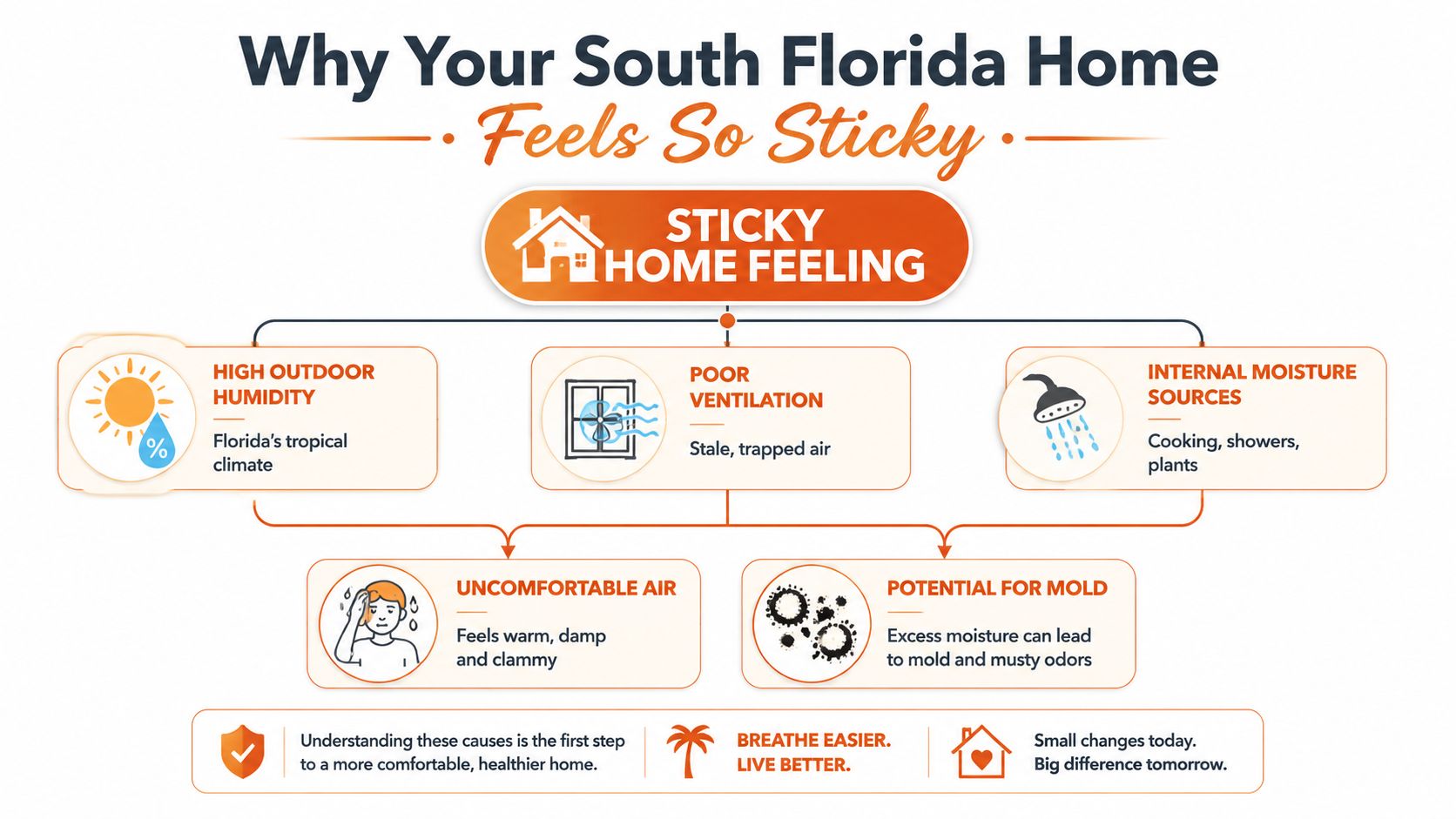
Why Your South Florida Home Feels So Sticky
You walk in from a humid West Palm afternoon, close the door, and the house still feels damp. The AC is running, but the air feels heavy, the bathroom mirror takes too long to clear, and clean surfaces start picking up a tacky film sooner than they should.
In Palm Beach County, that sticky feeling usually means indoor moisture is building up faster than the home can remove it. In our climate, the problem is rarely just comfort. It shows up in the cleaning first. Grout darkens faster, ceiling corners hold onto mildew, supply vents collect grime, and homes near Juno Beach or Jupiter often deal with salt air on top of high humidity.
Most South Florida homes feel best when indoor humidity stays in the mid-range, not creeping high enough to leave rooms muggy and stale. Once it stays high, the house can look tidy and still smell faintly damp.
The window mistake that backfires here
A lot of homeowners move straight to opening windows. In Arizona, that can help. In South Florida, it often loads the house with more moisture.
Outdoor air here is warm and wet for much of the year, especially during rainy season and in the evenings. So the usual advice to "air the place out" fails in Boca, West Palm, and North Palm Beach unless outside conditions are drier than the air already in the house. I see this mistake all the time in condos near the Intracoastal. People open up for an hour, then wonder why the floors feel slicker and the AC runs longer afterward.
That is why humidity control in Florida starts with keeping wet outdoor air out, then removing the moisture already trapped inside.
What this means inside real homes
The homes that struggle most are not just the oldest ones. I see the same problem in newer townhomes, beach rentals, high-rise condos, and large single-family homes with big glass sliders. Tight construction can trap moisture. Older homes can pull it in through gaps, bad ductwork, or poorly vented baths. Different building types, same result. Air that never fully dries.
If you want a closer look at the root causes, this guide on what causes humidity in a house lays out the main sources. Around South Florida, the pattern is consistent. The homes that stay comfortable are the ones that control moisture on purpose. The ones that stay sticky usually have outside air sneaking in, indoor moisture hanging around, or both.
Quick Wins to Lower Indoor Humidity Today
Walk into a West Palm Beach house at 6 p.m. after a few showers, a load of laundry, and dinner on the stove, and the problem shows up fast. The air feels heavy, the bathroom ceiling stays damp, and by the end of the week you start seeing mildew specks on grout, vents, or caulk lines. That kind of moisture buildup is common here because everyday routines add humidity faster than many homes can remove it.
In Palm Beach County homes, the trouble usually starts with the small, repeat moisture loads people ignore. A long shower without the fan. A pot boiling on the stove with no exhaust running. Wet towels hung inside a closed bathroom. None of that sounds serious on its own. In a South Florida house that already fights outdoor moisture, it adds up quickly.
Fast changes that actually help
Start with the habits that remove moisture the same day it shows up.
- Run the bathroom fan during every shower and leave it on afterward: If the fan vents outside and effectively pulls air, use it. If the mirror stays fogged for a long time or the room still feels wet after 20 minutes, the fan may be dirty, weak, or undersized.
- Use the range hood or kitchen exhaust while cooking: Boiling water, simmering sauces, and even running the dishwasher can load the room with moisture. In condos and open floor plans, that damp air spreads into bedrooms and hallways fast.
- Keep air moving between damp rooms and the rest of the house: Interior doors can trap moisture in guest baths, laundry rooms, and back bedrooms. Leaving them open helps your AC pull that humidity back toward the return.
- Check the humidity with a digital hygrometer: Guessing does not work well in Florida. Aim for a mid-range indoor humidity level, and treat anything consistently above 60 percent as a warning sign.
- Wipe down wet surfaces after showers: Glass, tile ledges, counters, and fixtures hold water longer than people expect. Removing that moisture by hand is simple and effective.
- Clear dust from supply and return covers: Dirty vents do not cause humidity by themselves, but they can slow airflow where you need drying most. If the covers are caked with dust or mildew film, start with a proper vent cleaning checklist for home air vents.
One trade-off matters here. Running fans longer helps remove moisture, but only if they vent outside. I still see bath fans in older homes that dump damp air into the attic or soffit area, which shifts the problem instead of solving it.
What we end up cleaning when humidity lingers
Once the moisture has been hanging around for a while, the cleanup changes. It is no longer just a comfort issue. It turns into mildew spotting, sticky dust, dull bathroom film, and grime that clings to tile edges and baseboards.
A humidity-focused cleaning visit usually targets:
- Bathrooms: Shower walls, grout lines, mirrors, sinks, counters, fixtures, toilets, and base areas
- Kitchen buildup: Cabinet fronts, counters, sink area, appliance exteriors, and backsplash residue
- Floors and edges: Tile, baseboards, corners, and entry areas where damp dust sticks
- Dust collection points: Vents, reachable ceiling fans, blinds, ledges, and window sills
- High-touch surfaces: Handles, switches, and frequently used spots that collect film faster in muggy rooms
- Add-ons: Inside oven, inside fridge, inside cabinets, wall spot cleaning, pet hair focus areas, interior window cleaning
If you are wiping mildew off the same bathroom ceiling every week, or the vents and grout keep darkening no matter how often you tidy up, the issue has moved past basic upkeep. At that point, clean the visible buildup and keep working on the moisture source at the same time. If the staining is spreading, the odor is getting musty, or the residue keeps returning within days, bring in a professional cleaner and have the house checked for the hidden moisture source behind it.
Mastering Your AC and Dehumidifier in Florida
A West Palm Beach house can feel cool and still hold too much moisture. That is the South Florida trap. Homeowners drop the thermostat, the air coming out feels cold, but the bedrooms stay clammy, closets smell stale, and supply vents start collecting that gray, sticky film we end up cleaning all the time.
The fan setting that matters more than people think
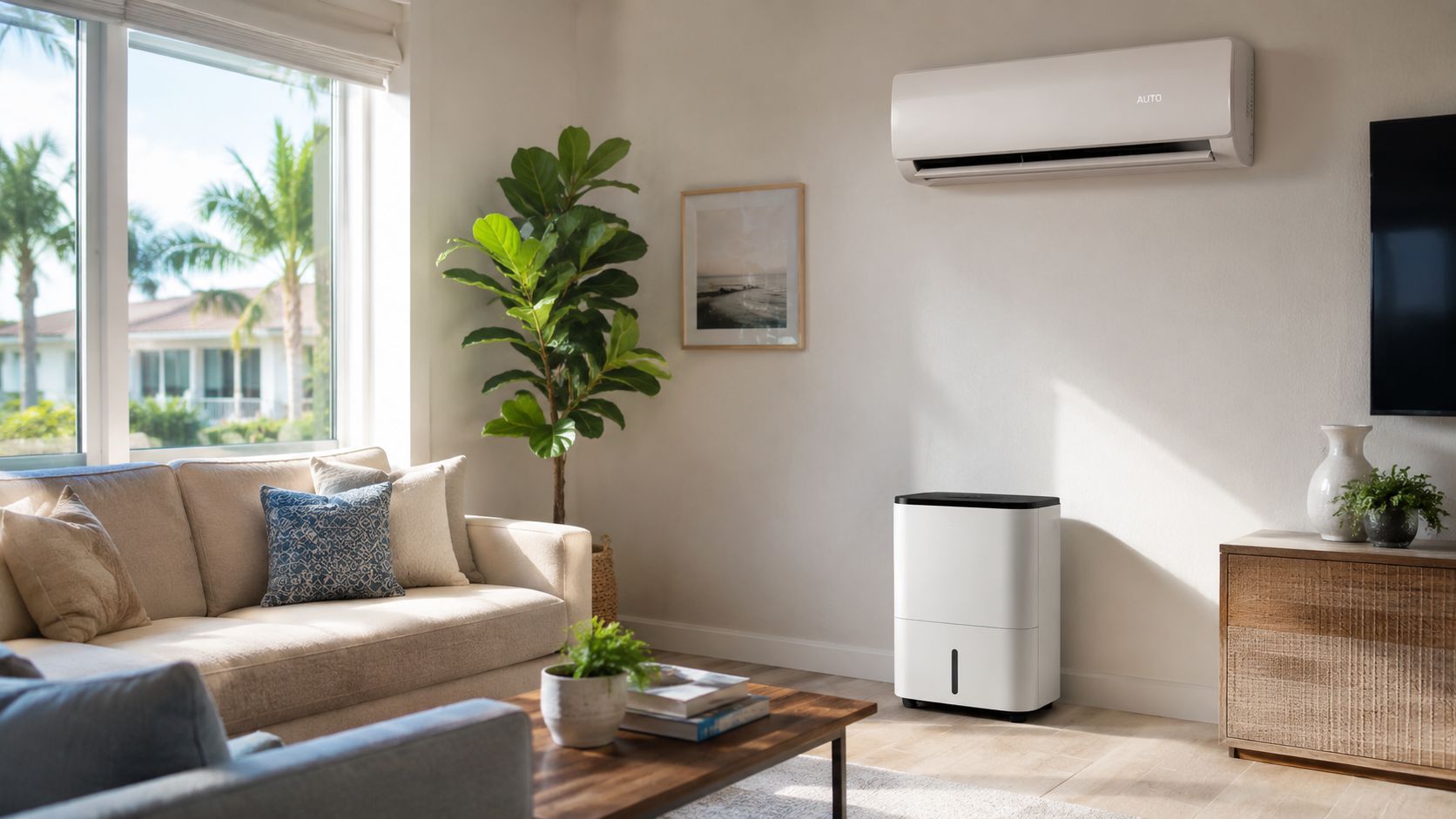
Start with the thermostat fan. In Florida, it should usually be set to AUTO, not ON. With the fan left on, air keeps blowing across damp coils after the cooling cycle stops. That can send moisture back into the house and leave rooms feeling sticky even though the AC ran.
That point matters even more in a vacant home. According to Florida vacant home humidity guidance, closed-up houses do better when the system is managed for moisture, not just temperature. Their recommendation for vacant properties is specific: run the AC at 72°F for 2 hours during peak morning humidity, then 88°F otherwise, with a dehumidifier set to 58% RH. That setup is useful for snowbird homes, short-term rentals between guests, and any property sitting empty through our muggy season.
Occupied homes are different. People cook, shower, open doors, and wash laundry, so the AC has to handle a live moisture load all day. If the house feels damp while the thermostat reads low, the problem is often runtime, fan setting, or an oversized system that cools too fast and does not pull enough water out of the air.
Dehumidifier settings that actually work here
Portable dehumidifiers help in rooms your central AC does not dry well, such as bedrooms with weak airflow, laundry rooms, and back corners that stay muggy. A good target is 45% to 50% RH for lived-in spaces. In South Florida, that range usually feels comfortable without making the house feel too dry.
Placement matters. A dehumidifier shoved tight against a wall or tucked behind furniture will do a poor job. Put it where air can move freely, keep doors and windows closed while it runs, and stay on top of the bucket or drain line. If it fills constantly, shuts off, and the room still smells musty, that is a sign the machine is helping but not solving the full problem.
There is also a trade-off homeowners should know. Dehumidifiers add heat to the room and use electricity, so they are best used to support the AC, not replace it. In a typical Palm Beach County house, the best results come from a properly running AC system plus spot dehumidification in the problem area.
A lot of the odor people call “humidity” is humid air mixed with dirty airflow. Dust on registers, vent covers, and nearby walls grabs moisture and turns into that tacky residue you keep wiping off. If that sounds familiar, this guide on how to clean vents and spot moisture-related buildup shows what to check.
If you have already adjusted the fan setting, cleaned around the vents, and run a dehumidifier, but the house still feels clammy day after day, stop blaming the weather alone. That usually points to hidden moisture, poor sealing, duct issues, or an AC setup problem that needs a closer look.
Before you adjust anything, this quick visual helps homeowners understand the equipment side of moisture control.
Finding and Stopping Hidden Moisture Sources
A West Palm Beach house can stay sticky even with the AC running all day if moisture is getting in faster than the system can pull it back out. In South Florida, that usually means outdoor air leaking through weak seals, a slow plumbing leak nobody sees, or damp materials that never fully dry between one humid day and the next.
Start with the shell of the house
Windows, sliders, door sweeps, and exterior penetrations take a beating in this climate. Salt air, heavy rain, and year-round sun break down caulk and weatherstripping faster than many homeowners expect. Once those seals fail, humid outside air slips in around the edges and the house starts feeling clammy even though everything looks closed. That is why West Palm Beach humidity advice puts so much emphasis on sealing gaps and replacing worn caulk.
One South Florida mistake I see all the time is relying on open windows for “fresh air.” In Palm Beach County, that often brings in more moisture than relief, especially in the morning and evening when outdoor air still feels comfortable. The house may smell airy for an hour, then surfaces turn tacky and the AC has to work harder to recover.
A practical moisture hunt
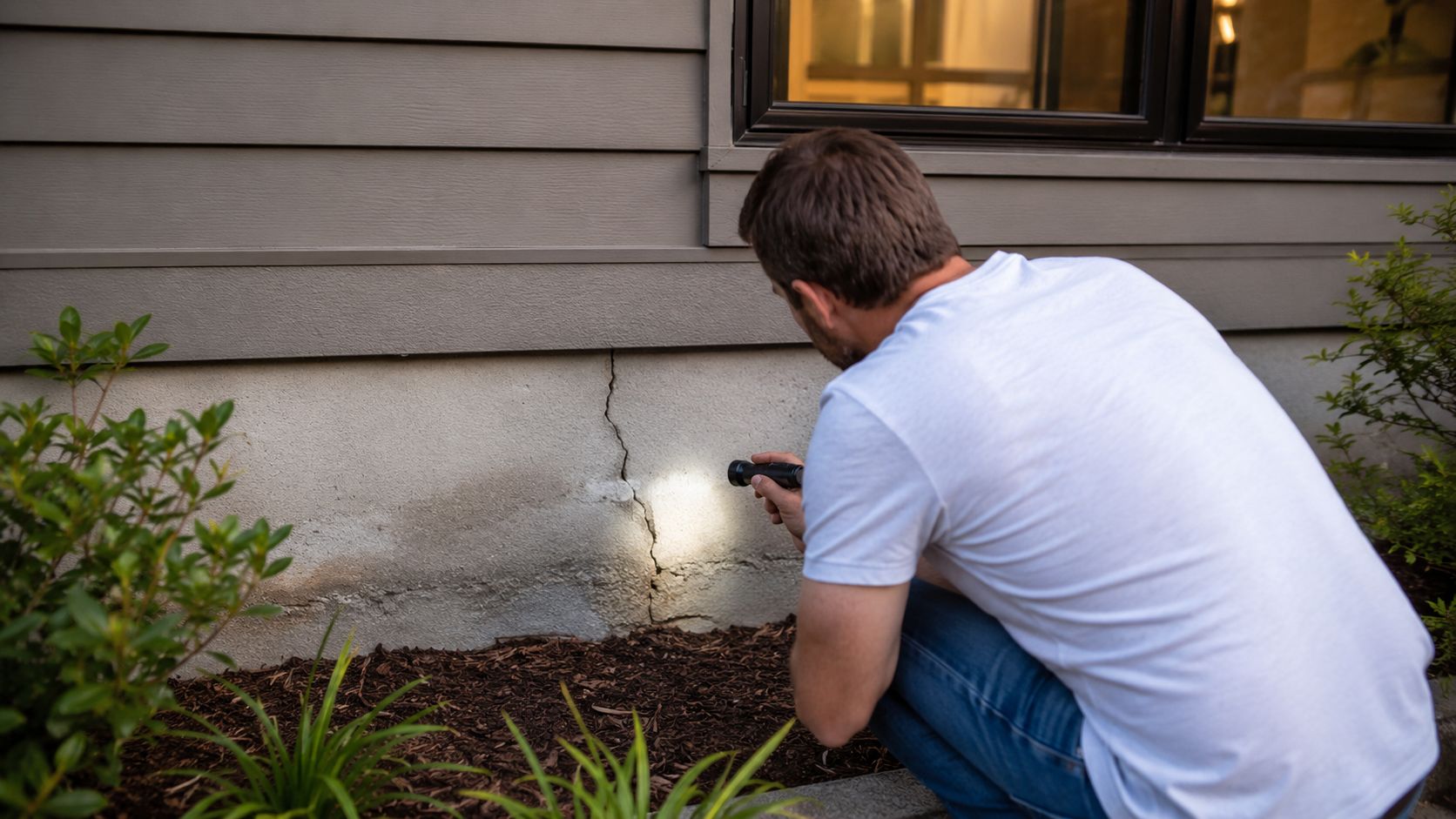
Use a flashlight and check the places that feed humidity day after day:
- Windows and sliders: Look for failed caulk, damp tracks, black spotting, or corrosion around the frame.
- Doors and thresholds: Worn weatherstripping lets warm, wet air creep in around the perimeter.
- Under sinks: Slow leaks around supply lines, shutoff valves, and drain traps often create hidden grime before they create a visible puddle.
- Behind the washer: A loose hose connection or wall box leak can keep the laundry area humid without obvious flooding.
- Dryer vent path: If the vent is disconnected, crushed, or clogged, moist air can dump indoors.
- Closets on exterior walls: These spaces trap stale air fast, and dampness often shows up there before it spreads into the room.
- Ground-contact areas: Moisture from concrete or exposed soil can keep nearby flooring and baseboards damp.
Coastal homes in Juno Beach and North Palm Beach often show the first signs around slider tracks, baseboards, and cabinet interiors, not in the middle of the room.
What actually fixes the problem
The fix is to stop the moisture at the source. A dehumidifier can help manage conditions, but it will not overcome a steady leak, outside air intrusion, or wet building material for long.
Seal the openings you find. Replace brittle caulk. Swap out flattened weatherstripping. Repair plumbing drips, even the small ones. If a dryer vent is leaking humid air inside, reconnect or replace it. In ground-contact areas, moisture protection under flooring and a proper vapor barrier over exposed soil make a real difference. As noted earlier, crawl spaces and concrete surfaces can keep feeding indoor dampness if they are not isolated correctly.
There is a trade-off here. Some of these fixes are simple DIY jobs, and some are not. Re-caulking a bathroom window is reasonable for most homeowners. Active leaks inside walls, recurring damp spots around baseboards, soft drywall, or repeated mold return usually call for a plumber, AC contractor, or building professional.
If hidden moisture has been there for a while, fixing the source is only half the job. The residue it leaves behind is what we end up cleaning: mildew at window tracks, grime inside cabinets, dust pasted onto vents, and that sticky film on bathroom and kitchen surfaces that keeps coming back. Once growth or staining is established, surface wiping rarely gets it fully under control.
The Telltale Signs of a Humidity Problem
You usually notice humidity by smell and surface change before you ever see obvious mold. In South Florida homes, the early clues tend to show up in bathrooms, around AC vents, along window tracks, inside closets, and on the lower edges of cabinets where air movement is weak and moisture hangs around.
Once indoor air stays damp for too long, the house starts holding onto it. Towels dry slowly. Rooms feel sticky even with the AC running. A bathroom can look clean after a quick wipe, then pick up that same stale smell by the next day.
What We See in Palm Beach County Homes
In West Palm Beach deep cleans, I often walk into a bathroom that looks fine from the doorway. Up close, the issues show up fast. Mildew around the toilet base, specks on the ceiling above the shower, grime in grout lines, and a tacky film on vanity edges where damp dust sticks and hardens.
Coastal homes add another wrinkle. Salt air and high outdoor moisture leave fixtures and glass looking dirty faster, so homeowners sometimes blame cleaning products or hard water alone when the bigger issue is indoor dampness feeding the buildup.
In short-term rentals around Delray Beach and Boca Raton, the warning signs are usually less dramatic but easy to recognize if you know where to look. A musty smell near the entry, vent covers holding gray dust that smells sour, window track sludge, and bathrooms that never smell fully fresh after surface cleaning are all common.
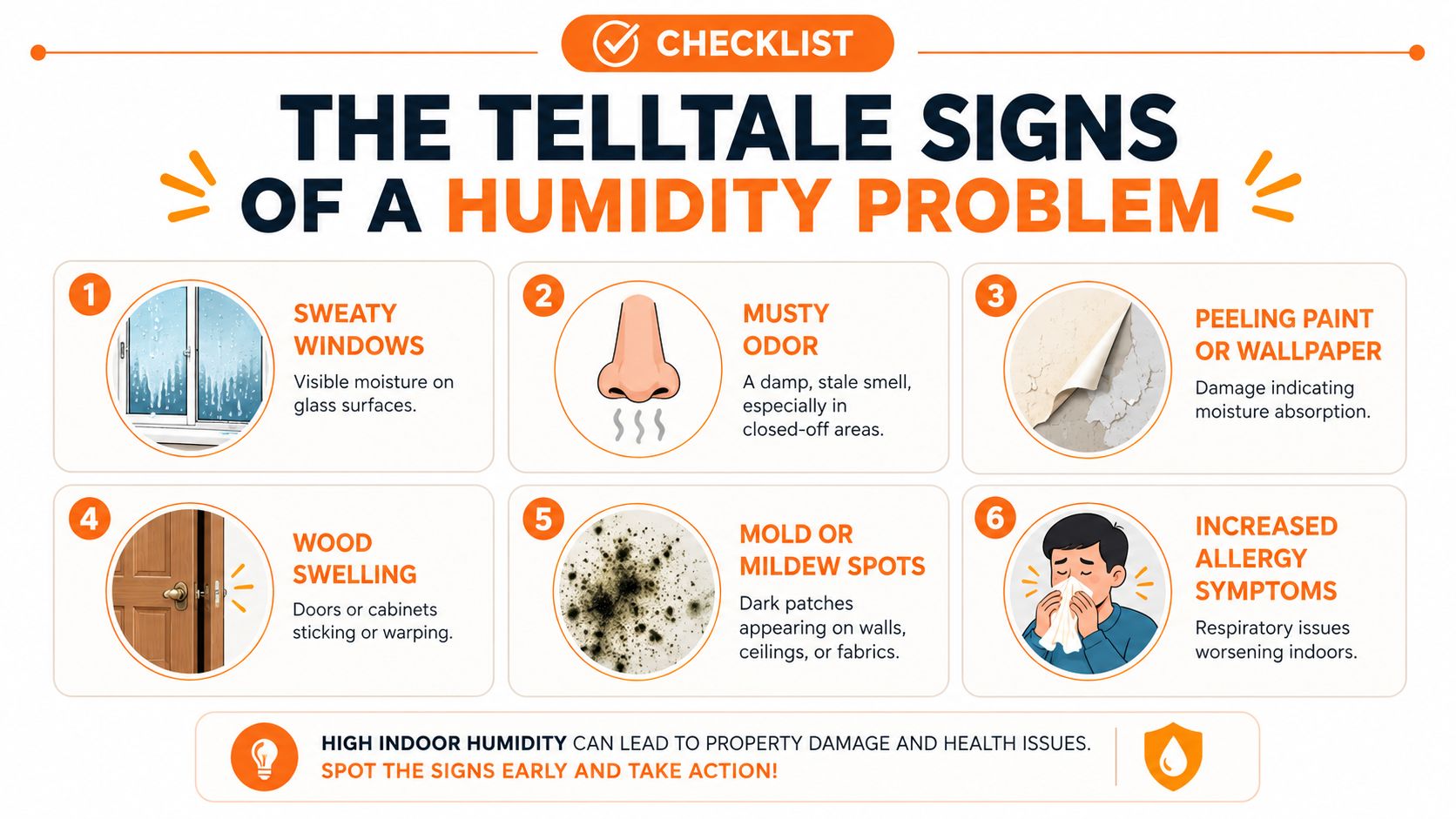
Watch for these clues
| Sign | What it usually means |
|---|---|
| Condensation on windows or glass doors | Indoor air is carrying more moisture than the room can handle |
| Musty odor in a closed room | Moisture is lingering in soft surfaces, corners, or hidden dust |
| Dark spotting on ceilings, caulk, or grout | Mildew is starting to establish itself |
| Sticky wood or swollen cabinet edges | Materials are absorbing moisture over time |
| Bubbling or peeling paint | Damp air is working into the surface |
| Dusty vent covers with an odor | Airflow is moving humid grime through the room |
If the house smells damp after the AC has been running for hours, do not write it off as normal Florida air. In Palm Beach County, that usually points to trapped moisture, dirty surfaces, or both.
At that stage, humidity control and cleaning have to work together. Surface wiping helps for a day or two, but it does not remove the film and residue that keep holding odor. A detailed professional deep cleaning checklist for humidity-prone homes helps you inspect the spots that get missed first, especially around baseboards, vents, bathroom edges, and window trim.
There is a real trade-off here. Light residue on tile, glass, and painted trim is usually manageable with a solid DIY clean. Repeated mildew return, staining in porous grout or caulk, and grime inside vents or around ceiling lines usually need professional cleaning after the moisture issue is brought under control.
Your Humidity-Busting Deep Cleaning Plan
Once humidity has left grime behind, control and cleaning need to work together. Lowering moisture helps stop the cycle. A proper deep clean removes the mildew film, bathroom buildup, dusty vent residue, and sticky surface grime already sitting in the home.
A solid room-by-room checklist matters. This professional deep cleaning checklist lines up closely with what most Palm Beach County homes need after weeks or months of high indoor humidity.
Specific scenario
In West Palm Beach move-out cleans, bathrooms often look fine at first glance. However, issues arise in the grout lines, behind fixtures, baseboards, and ceiling edges where humidity and soap residue collect before a landlord walkthrough.
Schedule – Clean – Inspect – Enjoy
- Schedule: Book online or call. You'll get a confirmation window that fits your routine.
- Clean: Cleaners arrive with supplies and follow a checklist-based clean focused on the rooms that trap the most moisture and grime.
- Inspect: A quick quality check catches missed spots on mirrors, fixtures, floors, and edges.
- Enjoy: You come back to a cleaner, drier-feeling home that's easier to maintain.
Price range and quick answers
Pricing depends on bedrooms, bathrooms, square footage, condition, and add-ons. Most clients request a custom estimate.
How long does it take?
It depends on the home's size, condition, and whether humidity buildup has spread into detailed areas like grout, vents, and baseboards.
Are supplies included?
Yes. Professional cleaners typically arrive with the products and tools needed for the job.
Can you clean pet hair and damp dust together?
Yes. That combination is common in Palm Beach County homes, especially where AC dust sticks to baseboards and corners.
What add-ons help most?
Inside oven, inside fridge, inside cabinets, wall spot cleaning, pet hair focus areas, and interior window cleaning.
South Florida humidity shows up in grout lines, bathroom ceilings, vent covers, and window tracks faster than expected. In Palm Beach County, a home can look tidy and still need a serious reset.
Book your cleaning with Sunset Shine Home Cleaning – your trusted house cleaning service in West Palm Beach. We help homeowners, renters, Airbnb hosts, and property managers across West Palm Beach, Palm Beach Gardens, Jupiter, Juno Beach, North Palm Beach, Riviera Beach, Royal Palm Beach, Lake Worth, Boynton Beach, Delray Beach, Boca Raton, Wellington, Westlake, Loxahatchee, Loxahatchee Groves, and The Acreage tackle humidity grime, mildew-prone bathrooms, and musty buildup with practical deep cleaning that works. Call 561-408-4020 or book online at sunsetshinehomecleaning.com.