
If you're staring at a pool full of sand, leaves, or that fine dust that settles overnight, you're probably asking a practical question. Pool vacuum how does it work isn't just a curiosity. It's the difference between clearing the pool fast and fighting a hose that keeps losing suction.
Around Palm Beach County, that question comes up after windy afternoons, rainy season runoff, and backyard traffic that tracks grit into the water. Homeowners in West Palm Beach, Jupiter, Boca Raton, and nearby communities often want the same outcome they want inside the house too. Clean surfaces, no hidden buildup, and a system that works the way it's supposed to.
Table of Contents
- Understanding Suction Mechanics
- Manual Pool Vacuum Operation
- Suction Side and Pressure Side Vacuums
- Robotic Pool Vacuum Functionality
- Common Problems and Troubleshooting
- Maintenance Tips for Reliable Performance
Understanding Suction Mechanics
Why suction can lift debris
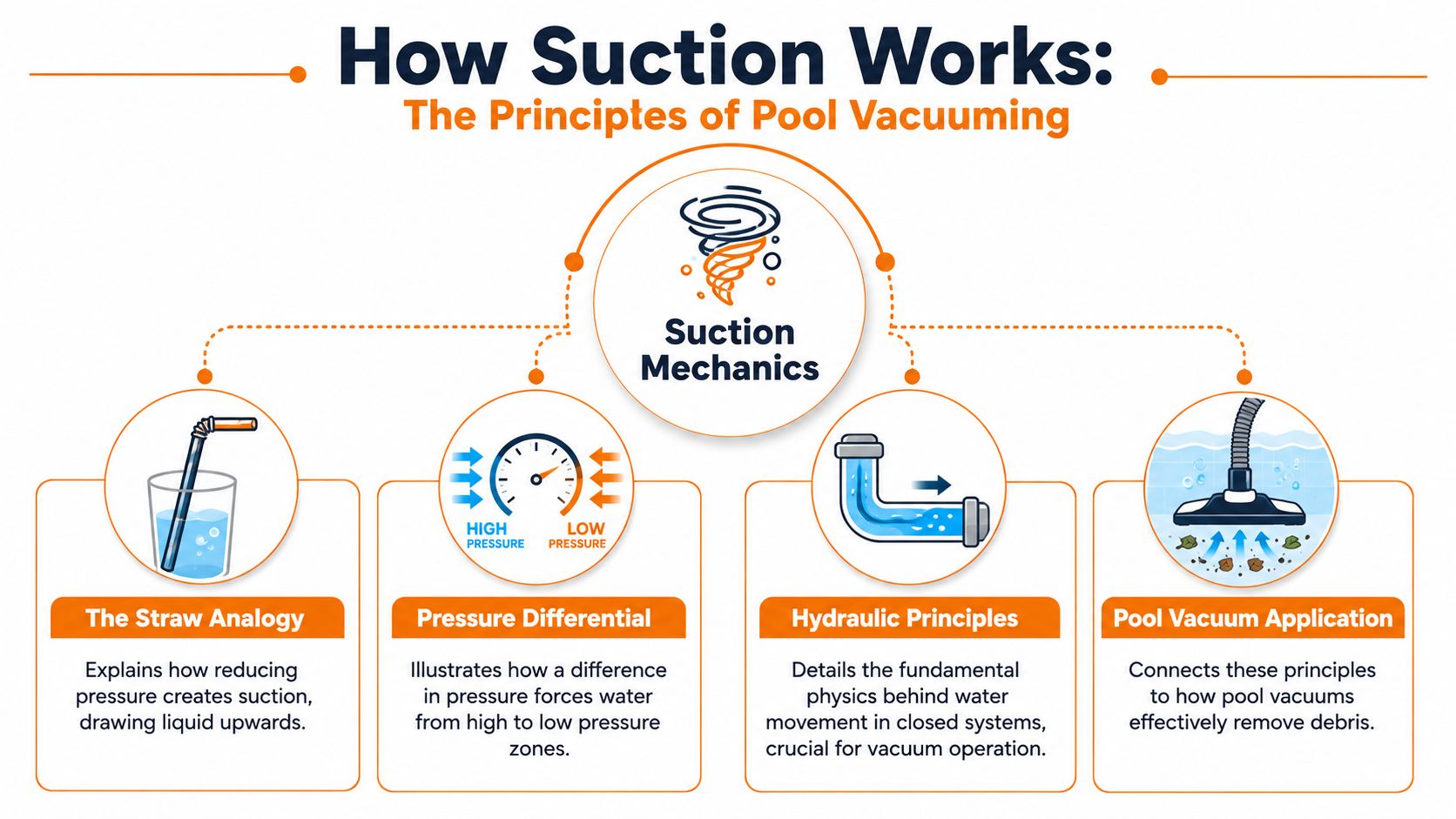
A pool vacuum works a lot like drinking through a straw. When the pump pulls water through the system, it creates a pressure difference. Water moves toward the lower-pressure area, and that moving water carries dirt and debris with it.
According to Fluidra's explanation of pool vacuum operation, pool vacuums operate by creating suction that removes debris from the pool and processes it through the pump basket, skimmer basket, and filter to eliminate waste. That's the full path. The vacuum head lifts debris from the floor, the hose carries it forward, and the equipment pad handles the separation and filtration.
If you've ever cleaned AC dust off a vent cover in a South Florida home, you already know airflow only works when the path stays clear. Water flow works the same way. A blocked hose, a leaking connection, or trapped air changes everything. The same basic idea shows up in home maintenance tasks like cleaning dusty air vents, where steady flow matters more than brute force.
Practical rule: A pool vacuum doesn't "grab" debris by magic. It relies on moving water, and moving water depends on an uninterrupted path.
Why priming matters
Priming means filling the vacuum hose completely with water before you connect it. If air stays in the line, the pump starts pulling pockets of air instead of a solid column of water. That weakens suction and can stop the vacuum from working at all.
A fully water-filled hose gives the pump something stable to move. That's why experienced pool owners take an extra minute before starting. It saves a lot more than a minute later.
Manual Pool Vacuum Operation
Manual vacuums are still common because they give you control. If a storm blows grit into one corner or leaves collect near the deep end, a manual setup lets you target the mess instead of waiting through a full automatic cycle.
How to prime and connect the vacuum
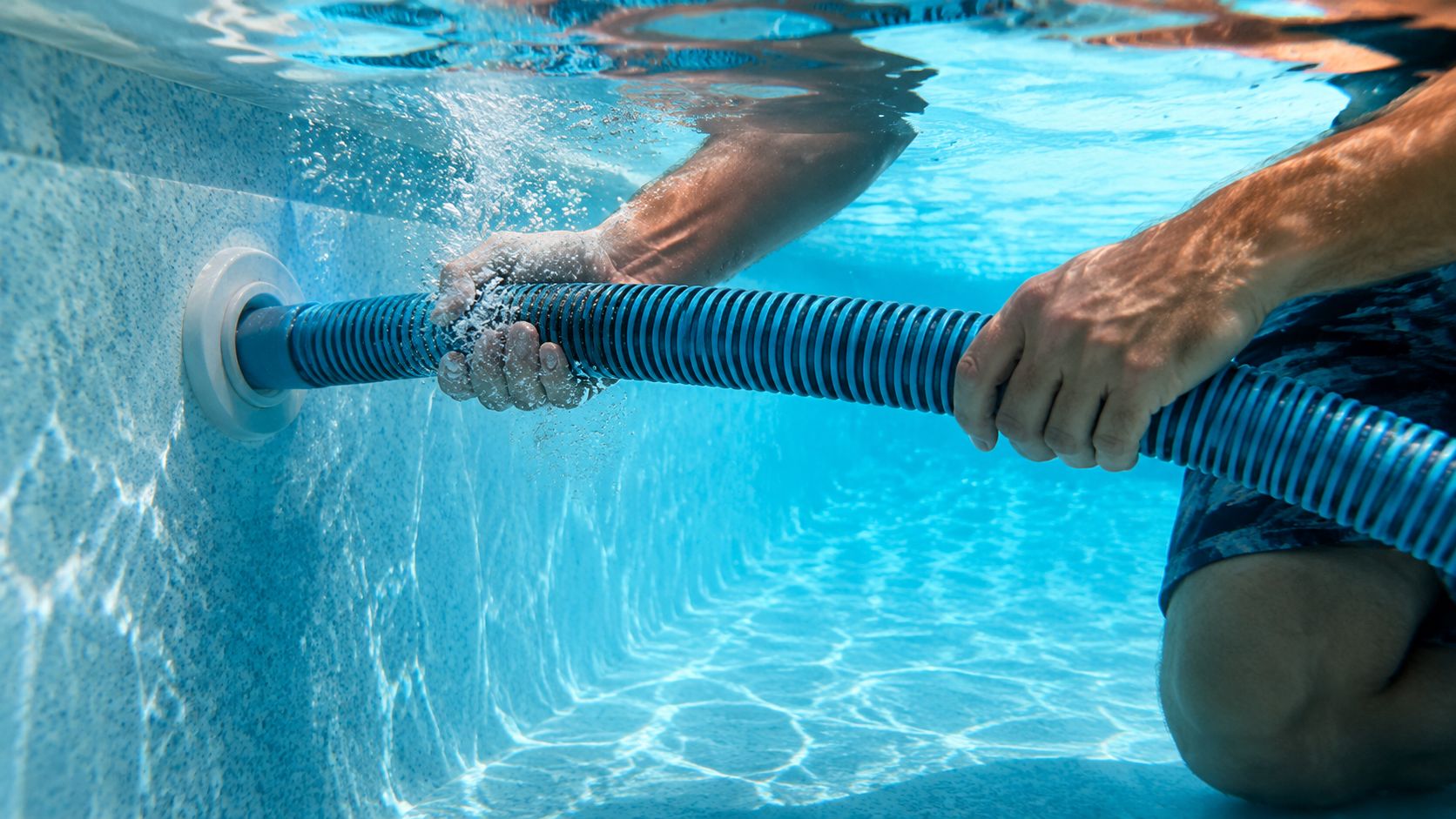
The essential step is priming. As explained in this manual pool vacuum guide from Letts Pools, a manual pool vacuum must be fully primed-filled with water-to maintain suction, because any air pockets dramatically reduce flow and can damage the pump impeller.
A simple way to do it:
- Attach the hose to the vacuum head first. Keep the head underwater.
- Fill the hose with pool water. Many people hold the open end against a return jet until bubbles stop coming out of the vacuum head.
- Connect the hose to the skimmer plate or suction port. Keep the hose submerged during the handoff so air doesn't sneak back in.
If you lift the vacuum head out of the water while cleaning, the system can suck air immediately. That's when suction drops off and the pump can lose prime.
Keep the vacuum head underwater from start to finish. One quick lift can undo the whole setup.
How to move the vacuum head
Once it's connected, don't rush. The vacuum head should move in slow, overlapping passes. Start in the shallow end and work toward the deep end in straight lines when possible.
That slow pace matters because the vacuum is trying to pull settled debris into the suction stream before it gets stirred up. If you're cleaning fine sediment, patience beats speed every time.
A short visual helps if you've never connected a hose this way before:
For stubborn piles like leaves or algae clumps, approach them gently. If you jab at them, you usually break the pile apart and create more work.
Suction Side and Pressure Side Vacuums
Homeowners often mix these up because both connect to the pool's circulation system. They don't work the same way.
How the two systems differ
A suction-side vacuum uses the pull from the pool pump. Debris travels through the hose and into the pool's filtration path.
A pressure-side vacuum uses water pressure from the return side to move and collect debris. One important distinction, noted in this discussion about vacuum system differences, is that many guides don't explain how suction is lost when air enters the line versus how pressure-side systems maintain continuous flow without manual re-priming.
That difference matters in real use:
- Suction-side units are more sensitive to air leaks, hose connection problems, and priming mistakes.
- Pressure-side units don't depend on the same manual priming process in the same way, so they can feel more forgiving during routine cleaning.
- Leaf-heavy pools may benefit from systems that keep larger debris out of the main filter path, depending on the model and bag setup.
Comparison of Suction Side and Pressure Side Vacuums
| Feature | Suction Side | Pressure Side |
|---|---|---|
| Power source | Pool pump suction | Return-side water pressure |
| Connection point | Skimmer or suction port | Return line or dedicated pressure connection |
| Debris path | Through pool filtration system | Typically into its own collection bag |
| Sensitivity to air in line | High | Lower in normal operation |
| Priming need | Important for manual-style suction setups | Doesn't rely on manual re-priming the same way |
| Best fit | Fine debris and straightforward setups | Pools with heavier debris loads or owners wanting less manual hose fuss |
| Main tradeoff | Can affect filter load | Usually has more parts to maintain |
If your pool gets a lot of windblown leaves after a storm, pressure-side systems can be attractive. If your goal is a simpler setup tied directly into existing suction, suction-side can still make sense.
Robotic Pool Vacuum Functionality
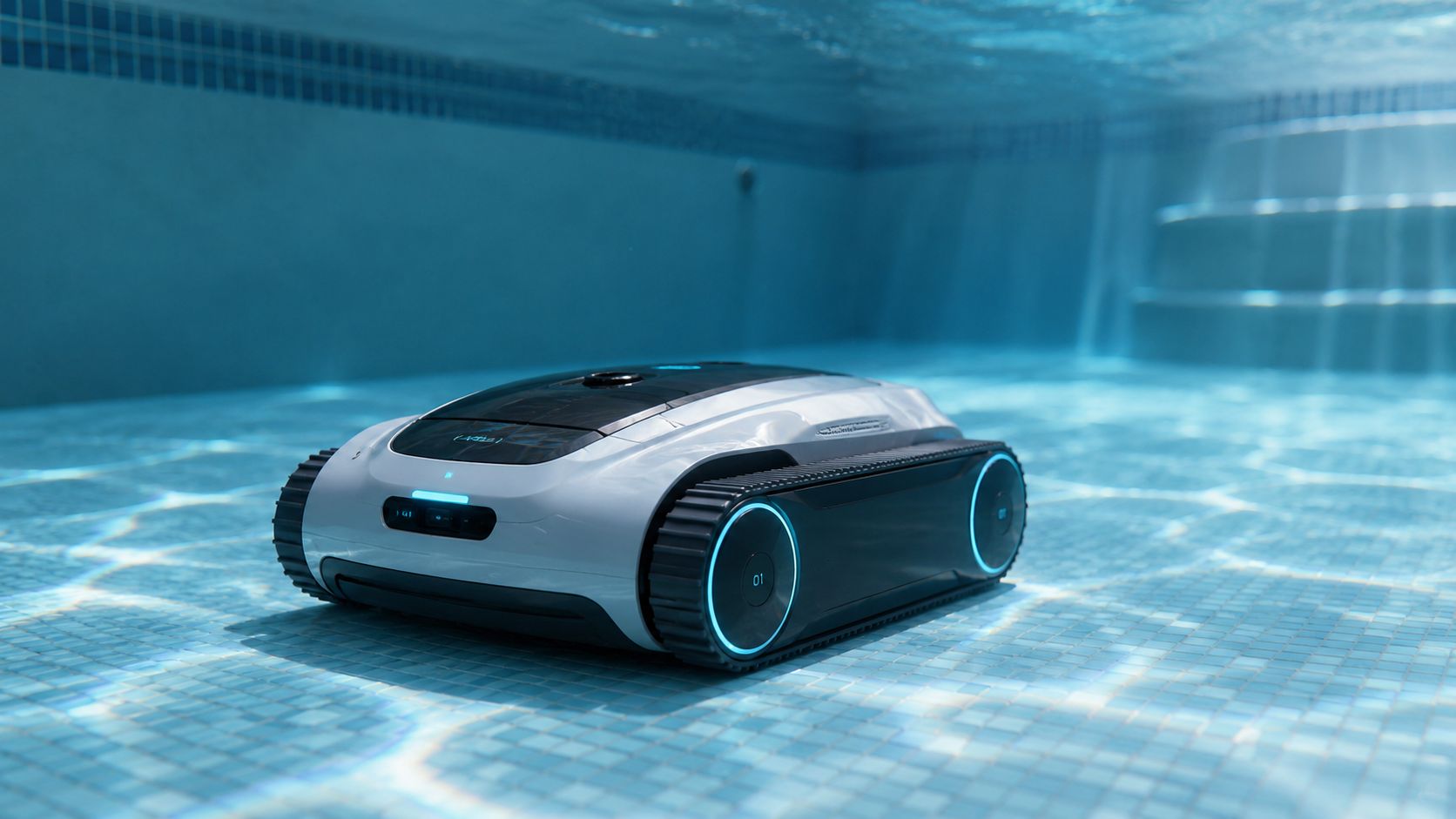
Robotic vacuums are their own category because they don't depend on your pool pump the same way manual, suction-side, and pressure-side systems do. They use onboard motors and internal filtration to clean independently.
What makes a robot different
A robot moves across the pool floor, and in many cases the walls, using its own drive system. Instead of sending debris to the pump basket and filter, it captures debris inside the unit's filter compartment.
That independence is a big reason some pool owners prefer them. You drop the cleaner in, run a cycle, then empty the internal filter.
Where modern automation fits in
Modern pool equipment has also changed how homeowners think about vacuuming. According to this review of newer vacuum-mode behavior, 42% of new residential pools now use variable-speed pumps with vacuum-mode presets that automatically adjust RPM based on debris load. That's a pump-side trend rather than a robotic one, but it shows how pool cleaning is getting more automated overall.
Robotic cleaners fit right into that shift. They reduce hands-on work and make the cleaning routine feel closer to other automated household tasks, like using automatic window cleaning tools to handle a repetitive chore with less manual effort.
A robot isn't stronger because it connects to the pool system better. It's different because it brings its own motor, movement, and filter to the job.
If you want less setup and less attention to hose management, robotic units are often the easiest type to live with day to day.
Common Problems and Troubleshooting
Most vacuum problems don't come from a broken vacuum. They come from a small operating mistake that snowballs into weak suction, cloudy water, or debris falling back into the pool.
When the vacuum loses performance
The first thing many people do when cleanup is slow is move faster. That's usually the wrong fix. As explained by SwimmingPool.com's maintenance guide, moving the vacuum head too quickly creates hydrodynamic turbulence that suspends particulates instead of entraining them into the suction stream.
In plain language, you stir the dirt instead of removing it.
Common signs include:
- Cloudy trail behind the head instead of a clean strip on the floor
- Sudden suction drop after the head breaks the surface or a hose connection leaks
- Poor pickup near heavy sediment because the debris plume gets disturbed before it can be lifted
If the water clouds behind the vacuum, slow down before you try anything else.
Simple fixes that prevent repeat work
A few checks solve most problems:
- Recheck the hose for air. If you suspect air got in, stop and re-prime before continuing.
- Inspect the path for blockage. Leaves can clog the head, hose, skimmer basket, or pump basket.
- Watch the filter pressure gauge. Heavy debris loads can drive pressure up. The same guide notes operators should pause and backwash when pressure rises 8 to 10 PSI above clean pressure to avoid particles pushing back into the pool through a blow-off effect.
- Let stirred debris settle if needed. If you've already clouded the floor, it may need time to resettle before another pass works well.
The counterintuitive fix is often the right one. Stop, reset, and move more slowly.
Maintenance Tips for Reliable Performance
A pool vacuum lasts longer when you treat it like a working tool, not something you drag out only when the pool looks rough. Basic care keeps suction dependable and prevents small leaks or clogs from turning into a frustrating cleanup day.
What to do after each cleaning
Start with the obvious items people skip:
- Rinse the vacuum head and hose. Dirt left inside dries, sticks, and narrows flow paths.
- Empty baskets and debris compartments. This applies to any component of your system that collected the waste.
- Store hoses out of direct sun when possible. Heat can make them stiff or misshapen over time.
If you're using a sand filter, don't leave debris sitting in it. According to PoolsWiki's guidance on vacuuming with a sand filter, when using a sand filter, the sand filter must be backwashed immediately after vacuuming to restore flow efficiency and prevent equipment strain.
What to check regularly
A quick inspection routine goes a long way:
- Look at O-rings and fittings. Small air leaks create big suction problems.
- Check wheels, brushes, or wear surfaces. A head that doesn't sit flat won't clean evenly.
- Inspect return flow. If water movement seems weak, something in the circulation path may need attention.
- Keep related home filters in mind too. Good airflow matters indoors and out, and regular air filter replacement service can help reduce the dust that settles around South Florida homes year-round.
One more point. If you vacuum to waste, you'll need to restore the water level afterward, and that can affect water balance. That's a normal part of the process, not a sign that anything went wrong.
If you're dealing with the same Palm Beach County realities inside the house that you see outside around the pool, like humidity on bathroom surfaces, sand tracked through tile, AC dust on vents, or tight Airbnb turnover windows, Sunset Shine Home Cleaning can help. Book your cleaning with Sunset Shine Home Cleaning, your trusted house cleaning service in West Palm Beach. Call 561-408-4020 or book online at sunsetshinehomecleaning.com.