
A bathroom ceiling fan in a Palm Beach County home can look clean after a deep service, then show a faint mildew film again when humidity stays high. That's why choosing home cleaning products here isn't just about fragrance or a shiny label. Salt air, year-round air-conditioning dust, beach sand, and moisture all change what works.
Table of Contents
- What This Guide Covers for Your Home
- What We See in Palm Beach County Homes
- Cleaning Products by Room and Surface
- Ingredients and Claims Worth Questioning
- Safe Use, Storage, and Disposal Habits
- Store-Bought, Concentrated, or DIY
- When a Professional Service Makes More Sense
- Quick Answers and How to Book Sunset Shine
What This Guide Covers for Your Home
This guide is for homeowners, renters, Airbnb hosts, and property managers who want a cleaner home without wasting money on products that fight the wrong problem. It covers kitchens, bathrooms, laundry rooms, lanais, and garage entries, with recommendations for tile, grout, stainless steel, glass, natural stone, and sealed wood.
Palm Beach County homes need a practical buying system. A bathroom cleaner that handles soap scum may be wrong for marble. A strong disinfectant may be unnecessary for everyday dusting. A product that performs well inland may also need better ventilation in a humid coastal condo.
You'll find guidance on:
- Daily cleaning: Products for counters, mirrors, floors, and frequently touched surfaces.
- Humidity pressure: Safer ways to manage mildew-prone grout, ceilings, and bathroom fixtures.
- Eco-friendly options: When concentrates, refill systems, and plant-derived formulas make sense.
- Ingredient labels: Why “green,” “natural,” and “non-toxic” should be checked rather than accepted automatically.
- DIY cleaning: Where vinegar, castile soap, and baking soda help, and where they can damage stone.
- Storage and disposal: How to keep products usable and your household safe in a warm, humid climate.
EPA guidance recommends keeping indoor relative humidity below 60%, ideally between 30% and 50%, because excess moisture supports condensation and mold growth. The EPA's mold guidance also supports using ventilation, air-conditioning, and dehumidification to control the source.
If you'd rather skip the product research, Sunset Shine Home Cleaning can handle recurring, deep, move-in, move-out, post-construction, and vacation-rental cleaning across West Palm Beach and Palm Beach County.
What We See in Palm Beach County Homes
Coastal homes often tell the same story. In bathrooms near pool areas, mildew returns first along grout lines, behind faucets, and around the lower edge of shower doors. East-facing windows can develop a hazy film from salt-spray residue, especially when glass is wiped with a dry towel instead of a damp microfiber cloth followed by a proper glass cleaner.
Some communities also deal with mineral-heavy well water. Shower doors may show hard-water spots that a general-purpose spray won't remove, while natural stone requires a non-acidic approach. Vinegar can make a stone surface look dull or etched, even when it seems like the obvious home remedy.
Floor problems are just as common. Luxury vinyl plank can develop a sticky film when someone uses too much cleaner or mops with excessive water. The floor may look glossy for a short time, then attract dust, pet hair, and fine sand.
Field rule: If a product leaves residue, South Florida dust will find it.
Exterior conditions create another layer of work. Orange-pink streaks can bleed from AC condensation drip lines onto exterior stucco. Lanai screens and outdoor cushions collect tropical pollen and algae, while sand from beach days gets tracked across tile and can scratch stainless steel when wiped dry.
The pattern changes by neighborhood and home type. Inland properties in Wellington often need more attention on lanai screens, pavers, and outdoor furniture because pollen and algae build up quickly. High-rise condos in Boca Raton usually battle balcony soot, kitchen grease, and salt film on glass instead.
That's why national buying lists miss the mark. Palm Beach County cleaning starts with where the residue comes from, not just what the bottle claims.
Cleaning Products by Room and Surface
Start with the surface, then choose the product. Don't use a disinfectant for ordinary dust, and don't use an acidic descaler on marble or travertine.
A practical room-by-room match
| Room or Surface | Best Product Type | Avoid | Why It Works Here |
|---|---|---|---|
| Kitchen counters | Surface cleaner suited to the material | Abrasive powders on stone | Removes food residue without dulling sealed surfaces |
| Stainless steel | Mild cleaner and microfiber cloth | Dry wiping over sand | Reduces scratching and visible streaks |
| Shower glass | Daily shower spray and glass cleaner | Heavy residue or rough scrubbers | Helps control soap film in humid bathrooms |
| Stone shower walls | Non-acidic limescale remover | Vinegar and harsh acids | Protects marble and travertine from etching |
| Grout | Mildew cleaner and grout brush | Fast spray-and-wipe use | Agitation and dwell time reach recessed lines |
| Laundry | Low-suds detergent and enzyme booster | Excess detergent | Helps with sweaty linens and trapped odors |
| Stone floors | pH-neutral floor cleaner | Acidic DIY mixes | Cleans without attacking the finish |
| Sealed wood | Wood-safe, vinegar-free formula | Over-wet mopping | Limits moisture exposure and streaking |
| LVP | Microfiber-safe floor cleaner | Heavy soap buildup | Prevents the sticky film common after over-mopping |
| Glass and mirrors | Low-residue, humidity-resistant glass cleaner | Overspraying edges | Reduces streaks and drips |
| Lanai screens and pavers | Exterior-safe cleaner with soft agitation | Aggressive pressure on delicate surfaces | Lifts pollen, algae, and outdoor film more safely |
For pet households, an enzymatic carpet cleaner for pet messes is more useful than a fragrance-heavy spray that only masks odor. Enzymes target organic residue, but test any cleaner on an inconspicuous area first.
Bathrooms need more than a strong scent. Use a shower product that matches the tile, a grout brush for recessed lines, and a disinfectant only when the task calls for it. Sunset Shine's shower cleaning product guide can help you narrow the choice by surface.
In kitchens, degreaser belongs on cooking residue, not every counter. Stainless polish should be used sparingly, with the grain, after sand and grit have been removed.
Ventilation matters as much as the bottle. The EPA recommends venting bathrooms and running exhaust fans while cooking, dishwashing, or cleaning. Keep the surface wet for the product's labeled contact time when disinfecting. If it dries early, the claimed result may not be achieved.
Ingredients and Claims Worth Questioning
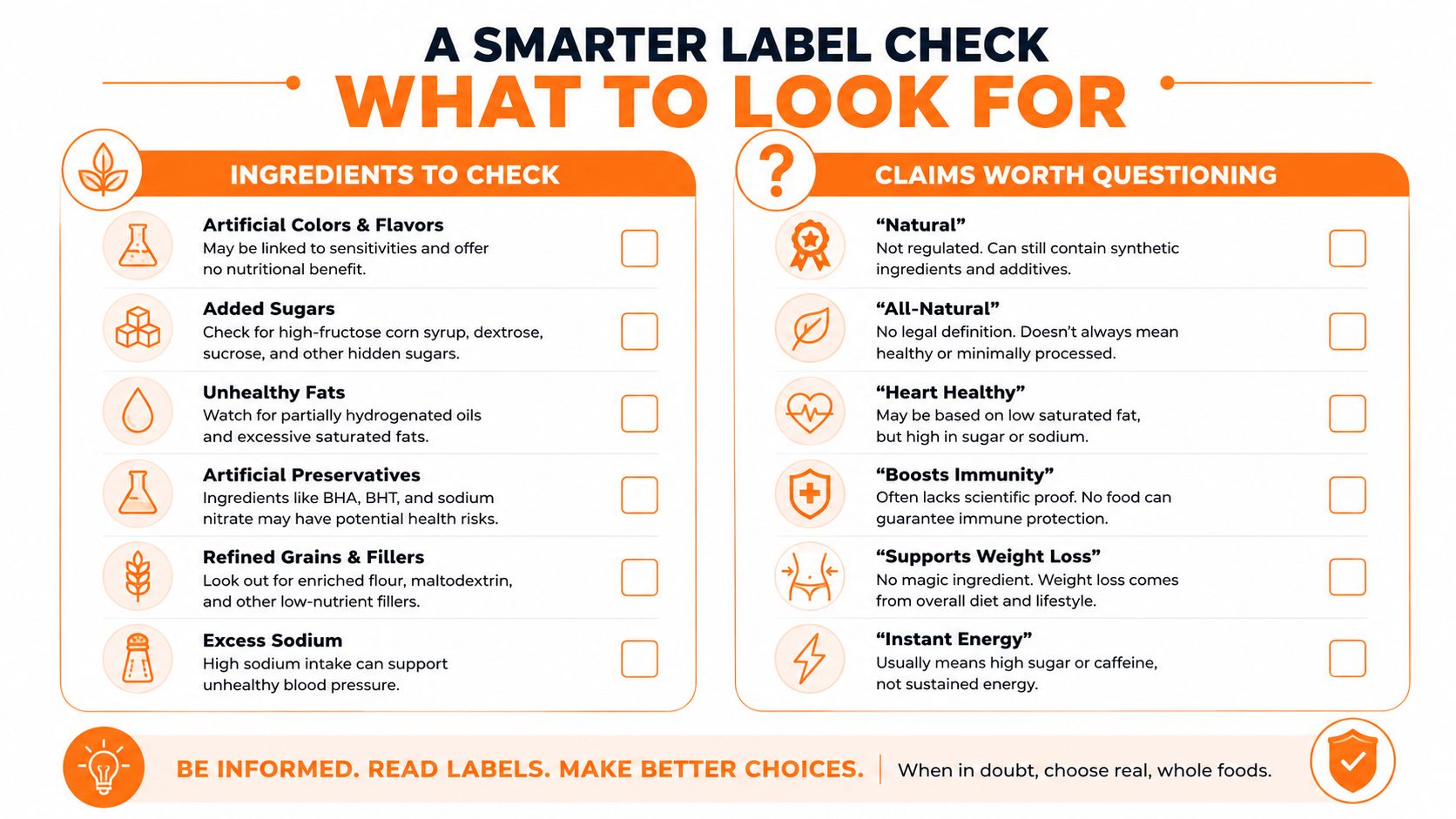
A label saying “natural,” “green,” or “non-toxic” doesn't tell you enough by itself. Those terms can describe a marketing position rather than a regulated performance standard. Look for ingredient disclosure and credible verification, including EPA Safer Choice or EWG verification where appropriate.
Match the concern to the room
Chlorine bleach has a place when the label supports the task, but it demands careful handling and ventilation. Quaternary ammonium compounds, often called quats, may be unnecessary for routine bedroom dusting, especially where ventilation is limited.
Synthetic fragrance deserves scrutiny in bedrooms, nurseries, and homes with people sensitive to strong odors. A fragrance-free product gives you a clearer idea of what you're using.
Ammonia-based glass cleaners may cut through grime, but they're a poor choice near products containing bleach. Glycol ethers in all-purpose sprays also deserve a label check around children and pets. Phthalates may be hidden under broad fragrance language, so choose products that disclose fragrance components or skip added fragrance.
Label check: Stronger scent doesn't mean cleaner air, and “non-toxic” doesn't replace reading the active ingredients.
Look for these red flags:
- Unclear fragrance: The label gives no useful fragrance detail.
- Vague claims: “Green” or “natural” appears without meaningful verification.
- Wrong surface direction: The product isn't approved for stone, wood, or finished flooring.
- Missing contact time: A disinfectant makes a claim but gives no clear use instruction.
- Concentrate confusion: Dilution directions are unclear or easy to misread.
For a deeper look at environmentally responsible service standards, review Sunset Shine's green cleaning certification information. The practical test remains simple: the product should disclose what it does, where it belongs, and how to use it safely.
Safe Use, Storage, and Disposal Habits
Disinfectants don't work by magic. Contact time is mandatory. EPA guidance says that if a label specifies 10 minutes, the surface must remain visibly wet for at least 10 minutes. If it dries sooner, apply more product rather than wiping immediately.
That matters in Palm Beach County bathrooms, where airflow, fans, and warm surfaces can dry a spray faster than expected. Work in manageable areas, apply enough product to maintain wetness, and follow the label instead of guessing.
Keep products stable and separated
Store concentrates in a cool, dry interior cabinet when possible. A hot garage near the coast is a poor place for long-term chemical storage, particularly when the container is exposed to heat and humidity. Keep products upright, labeled, and away from food, medication, children, and pets.
Never mix bleach with ammonia or acidic descalers. Wear gloves for irritating products, open doors or windows when practical, and run bathroom exhaust fans during and after cleaning.
Natural stone needs its own rule. Keep citrus-based solvents and acidic mixtures away from marble and travertine counters, shower walls, and floors. Test unfamiliar products in a hidden spot before treating a visible surface.
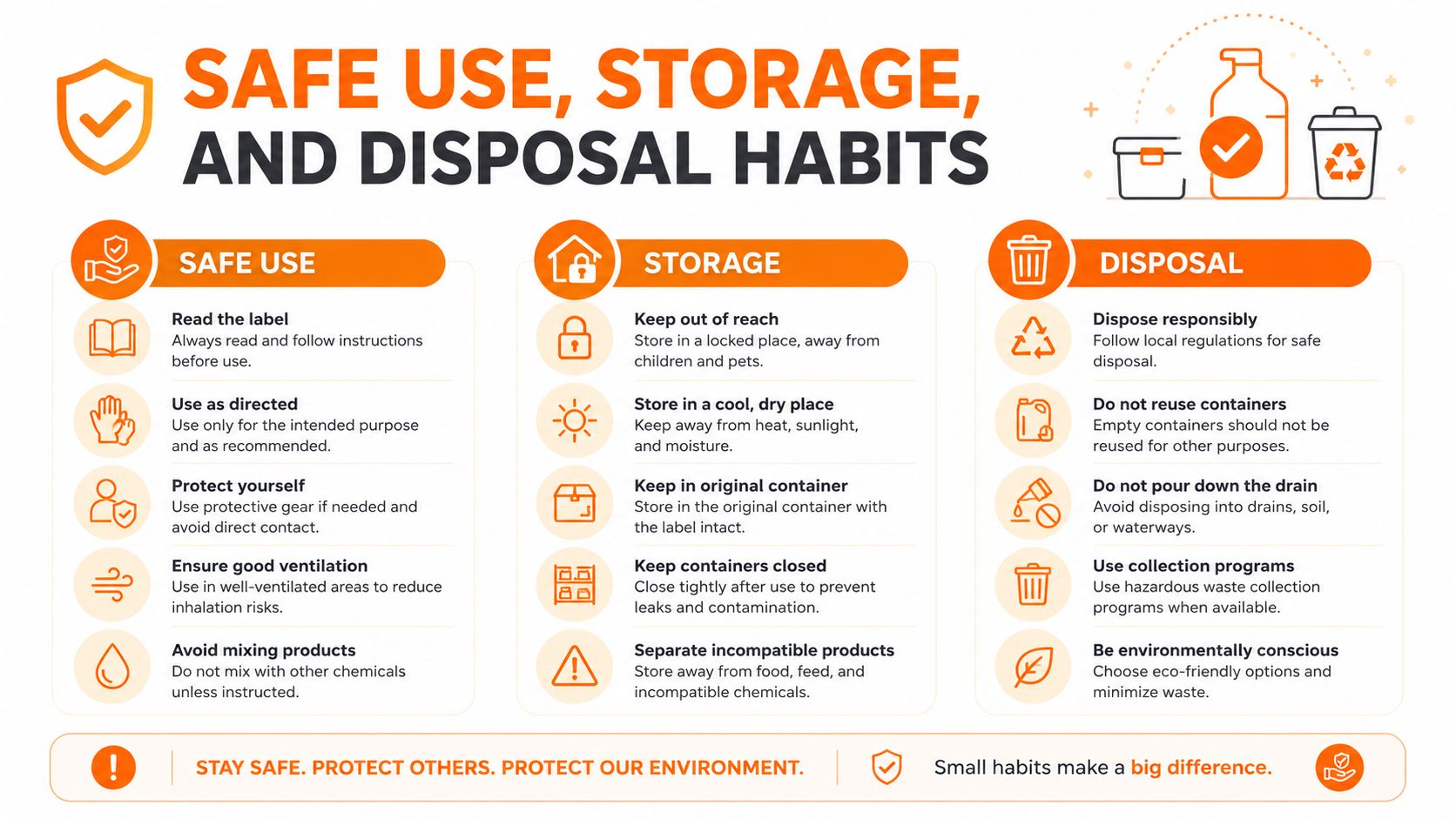
For disposal, use Palm Beach County's household hazardous waste program rather than pouring leftover chemicals down a drain or placing questionable containers in regular bins. Check the current county requirements before transporting anything.
A workable weekly routine is straightforward:
- Inspect: Check caps, labels, leaks, and expiration information.
- Ventilate: Run fans during bathroom and kitchen cleaning.
- Separate: Keep bleach, acids, ammonia, and solvents apart.
- Reset: Wipe bottle exteriors and return supplies to a cool cabinet.
Store-Bought, Concentrated, or DIY
Ready-to-spray products win on convenience. Concentrates reduce packaging and storage clutter. DIY mixtures can work for light dusting, mirrors, and some stainless-steel jobs, but they're not a substitute for an EPA-registered disinfectant.
The right choice depends on the job, not the trend.
| Format | Cost Per Use | Best For | Watch Out For |
|---|---|---|---|
| Ready-to-use | Higher | Fast touch-ups and simple turnovers | More packaging and less flexibility |
| Concentrate refill | Usually lower | Floors, glass, and recurring maintenance | Dilution errors can affect results |
| DIY mixture | Low for simple tasks | Mirrors, dusting, and light residue | Doesn't support disinfecting claims and may damage stone |
Concentrates make the most sense for households that clean often and can follow dilution instructions. They're also easier to store in small homes, condos, and Airbnb supply closets. Refill systems can reduce packaging, but only if the reusable bottle stays clean and the dilution is accurate.
DIY has a clear boundary. Vinegar may help with mineral residue on compatible surfaces, while baking soda offers gentle abrasion and odor absorption. Neither should be used reflexively on marble or travertine, and neither should be treated as a registered disinfectant.
For more recipe ideas, use this go-to DIY cleaning resource as a starting point, then verify the recipe against your surface material.
Sunset Shine also publishes natural cleaning product recipes for homeowners who want gentler options. My recommendation is a hybrid cabinet: commercial disinfectant for tasks that require it, concentrate for routine floors and glass, and simple DIY solutions for low-risk dusting.
When a Professional Service Makes More Sense
Product research stops making sense when the home needs more than a quick wipe-down. If you're managing full-time work, children, pets, beach sand, and humidity-driven mildew, the actual cost is often the time spent choosing products, testing surfaces, and repeating missed areas.
The decision becomes clearer for allergy-sensitive households, short-term rental hosts, post-renovation owners, and seniors aging in place. Airbnb hosts have tight checkout windows. Post-construction homes have drywall dust, grout haze, adhesive residue, and debris in corners. A standard spray bottle won't solve that workload.
What a local crew changes
Sunset Shine Home Cleaning uses a service flow built around the home's condition. The team can handle recurring standard cleaning, deep cleaning, move-in and move-out work, post-construction cleaning, vacation-rental turnovers, and property-management make-ready cleans.
That includes bathrooms, kitchens, floors, baseboards, vents, fans, cabinet exteriors, mirrors, fixtures, and high-touch surfaces, with add-ons such as inside ovens, refrigerators, cabinets, walls, pet-hair focus areas, and interior windows.

For exterior buildup, a specialized soft washing service may be more appropriate than attacking stucco, pavers, or screens with the wrong cleaner or pressure.
The service process is simple:
- Schedule: Book online or call with the home size, condition, pets, and priorities.
- Clean: Cleaners arrive with supplies and follow a room-by-room checklist.
- Inspect: The team performs a quick quality check before leaving.
- Enjoy: You return to a cleaner, more usable home.
Quick Answers and How to Book Sunset Shine
Which product should I buy first? Match the formula to the surface, then choose between routine cleaner and disinfectant based on the task.
How long should disinfectant stay wet? Follow the label's contact time. EPA guidance makes that interval part of the product's use directions.
What mistakes do Palm Beach County homeowners make most? They wipe mildew-prone baseboards too quickly, over-wet LVP, use vinegar on stone, or mix acidic descalers near bleach.
What should I have ready for a quote? Share the bedrooms, bathrooms, approximate size, condition, pets, preferred frequency, and add-ons. Sunset Shine serves West Palm Beach, Palm Beach Gardens, Jupiter, Juno Beach, North Palm Beach, Riviera Beach, Royal Palm Beach, Lake Worth, Boynton Beach, Delray Beach, Boca Raton, Wellington, Westlake, Loxahatchee, Loxahatchee Groves, and The Acreage.
Most clients request a custom estimate based on bedrooms, bathrooms, square footage, condition, and add-ons. Today, take one practical step: check your bathroom cleaner's contact time and move products out of a hot garage.
Book Sunset Shine Home Cleaning for product-matched recurring, deep, move-in, move-out, Airbnb, or post-construction cleaning, with careful attention to Palm Beach County humidity, salt air, sand, and mildew. Visit Sunset Shine Home Cleaning or call 561-408-4020 to request your estimate.